Smoke-damaged clothing from a Charlotte fire should not go into a home washer first, because heat and ordinary detergent can set the odor and soot stains for good. Textiles need the loose residue removed dry, then a pretreatment matched to the smoke type, then washing or dry cleaning and deodorizing. Many everyday garments restore well.
Why a regular wash does not fix smoky clothes
Smoke particles are small enough to work deep into cotton, wool and synthetic fibers, and the residue on them is oily or acidic depending on what burned. A hot wash with regular detergent cooks that residue into the fabric. The shirt comes out looking cleaner and smelling worse the first humid day you wear it.
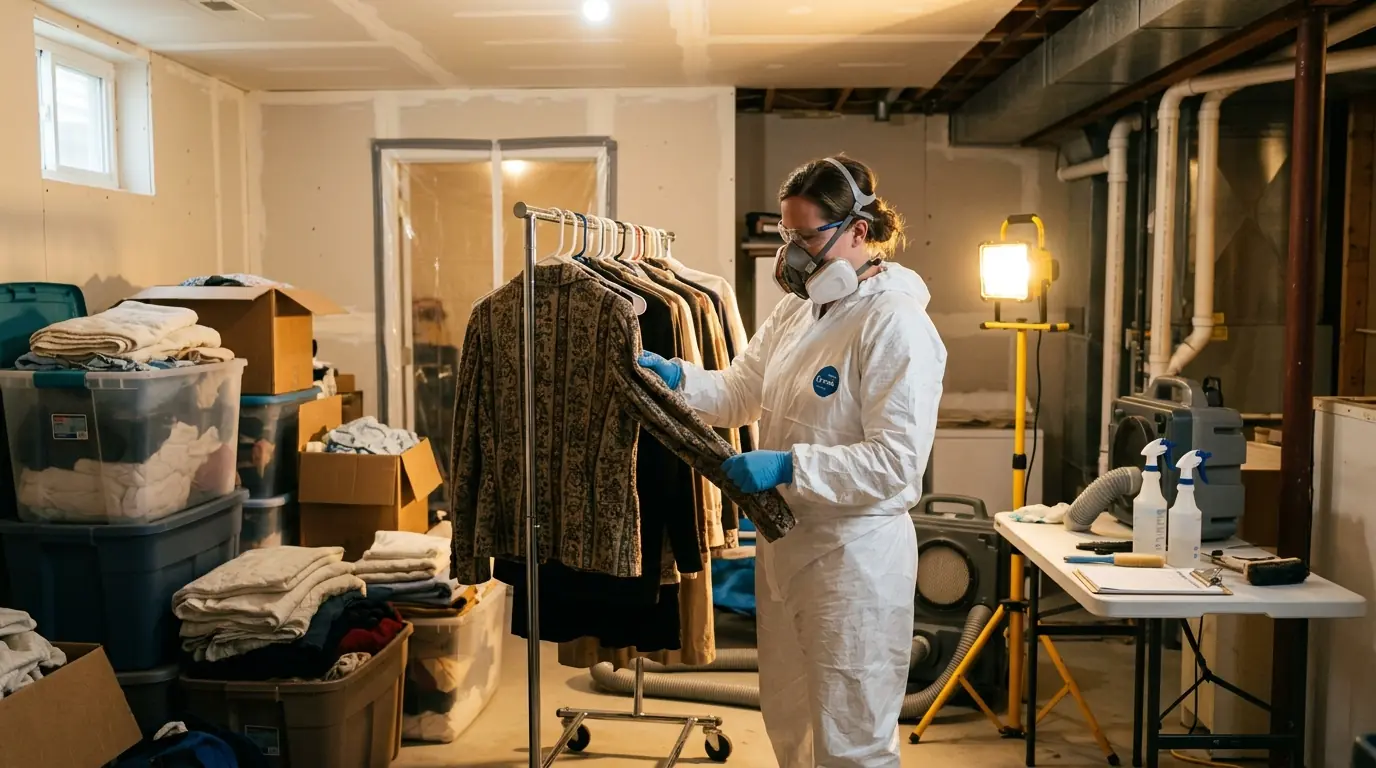
We run textiles as their own track of the job. Everything is inventoried, sorted by fabric and by how heavy the exposure was, and cleaned away from the house so it is not re-contaminated while the structure is still being worked on.
What moves the cost
Textile cleaning is priced by volume and by how each item has to be cleaned. The published range below covers furniture and textile deodorizing as a line item.
- Volume. One closet and a whole household of clothing are very different jobs.
- Dry cleaning share. Dry-clean-only garments and lined drapes cost more per piece than washable items.
- Residue type. Protein residue from a kitchen fire takes more pretreatment than dry wood soot.
- Storage time. Items held until the rebuild is finished add storage to the bill.
- Furniture and textile deodorizing$200 to $1,000
Published planning ranges, not our quote. Local labor, access and how far the smoke traveled move the final figure.
Washing smoky clothes at home: when it backfires
The two mistakes we see most are a hot wash and a scented detergent. Heat sets protein and oily residue into the fibers, and fragrance covers the smell for a day before the smoke comes back. Bleach on soot can leave yellow marks that are then permanent.
If you need clothing before we pick up, take only what you need, bag it, and wash it cold with no fragrance. Leave the rest for proper cleaning.
Everyday Garments
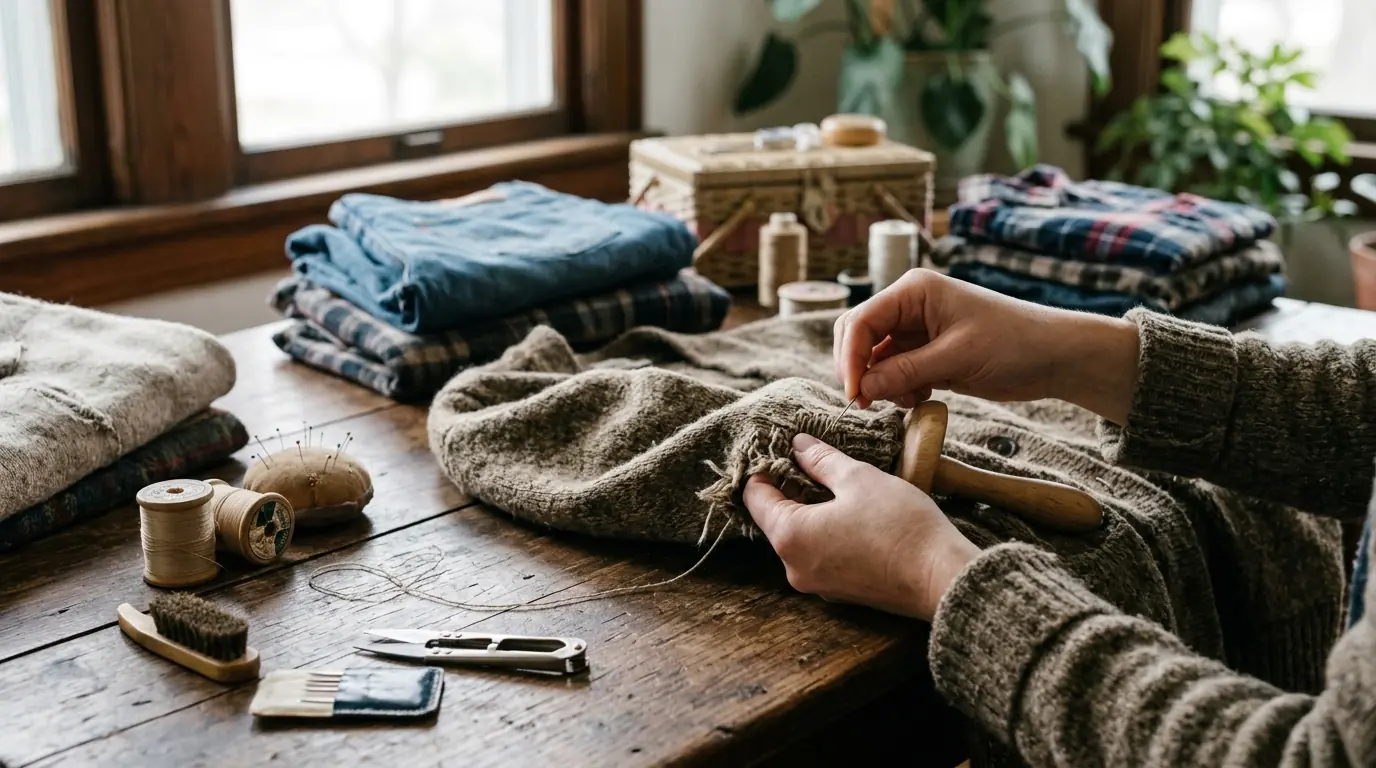
Shirts, pants, uniforms, kids' clothes and coats make up most of the volume. We shake out and vacuum loose soot before anything gets wet, pretreat collars, cuffs and seams where residue collects, and wash with formulas made for smoke residue rather than everyday stains. Items labeled dry-clean only are handled that way. Clothes come back folded or on hangers and sorted by the room and closet they came from, so you are not unpacking a random pile into a rebuilt house. Anything that will not clean up is logged with a photo.
Bedding, Drapes and Curtains
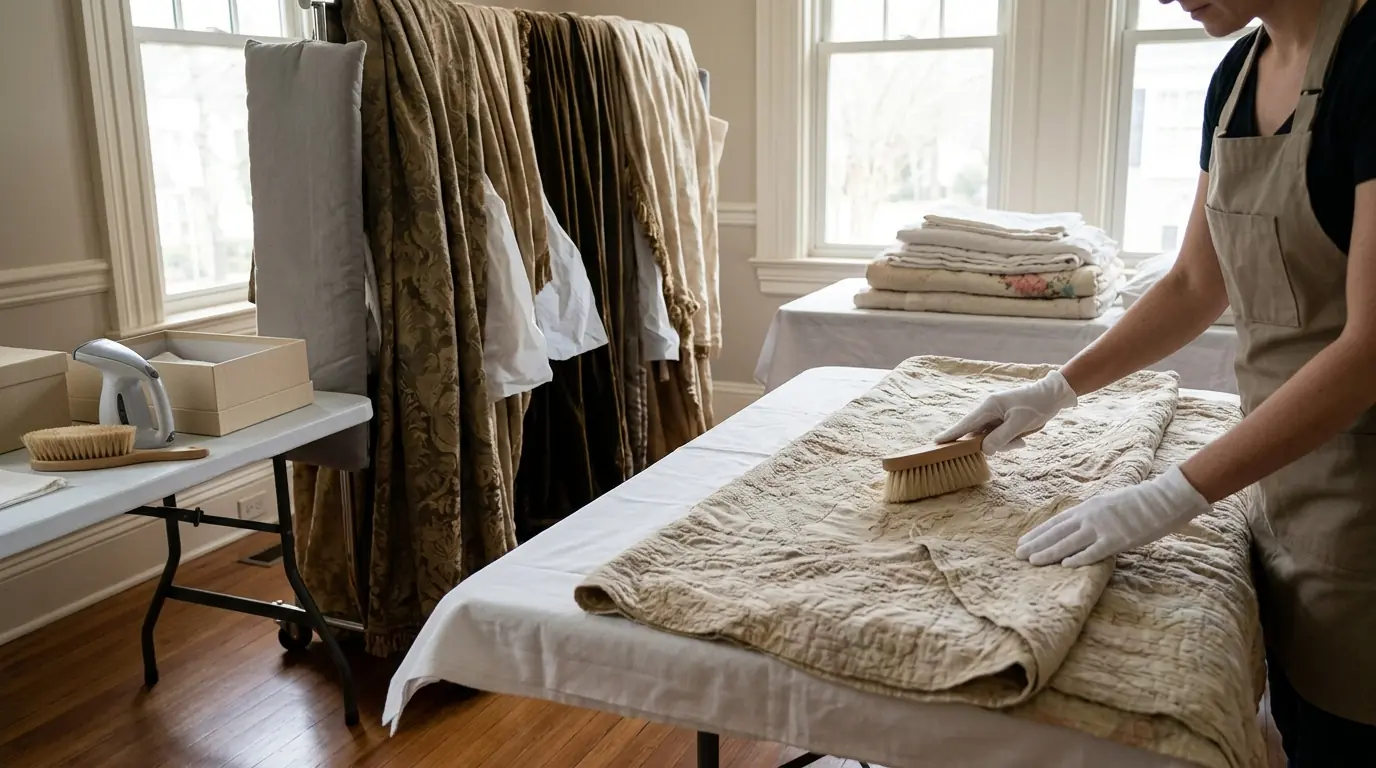
Bedding and window treatments catch smoke across a large surface, and drapes hang right where smoke rolls along the ceiling and down the walls. Comforters, pillows and mattress covers are cleaned, or, for feather and foam items that hold odor, assessed for replacement. Drapes are measured, tagged by window and taken down before the walls are cleaned, so they are never hung back into a dirty room. Lined and specialty drapes often need dry cleaning, and we note which ones before they leave the house.
Area Rugs
Area rugs pick up soot from above and, after firefighting, water from below, and a wet rug left on hardwood can stain both. We roll and remove rugs early, dry any that got wet, then dust them to pull out dry soot before any wet cleaning. Wool and natural-fiber rugs are cleaned cooler and with gentler agents, because heat and harsh cleaners can shrink them or make dyes bleed. Synthetic rugs tolerate more. Each rug is photographed front and back for the inventory before and after cleaning.
How long until your clothes come back
Washable everyday clothing is usually the fastest part of a contents job, and a first batch of essentials can come back well before the rest. Dry-clean items, drapes and rugs take longer, and most families store cleaned textiles until the house is ready rather than bringing them into a rebuild.
The two textile calls we get most in Charlotte
In Charlotte the most common source of textile odor we see is the kitchen. Cooking is the leading cause of home fires, and a stovetop fire leaves protein residue that clings to fabric with a sharp, sour smell long after the room looks clean. The other common call is a closet of clothes in an apartment that never burned at all: a third of the city's housing is large apartment stock, and smoke from a neighbor's unit finds its way into closets and dressers next door.
How your clothes and linens get cleaned
- Inventory by room
Every bag and hanger tagged to the room and closet it came from.
- Remove dry soot first
Shaking out and vacuuming before water touches the fabric.
- Sort by fabric
Washable, dry-clean, delicate and heavy items separated.
- Pretreat
Collars, cuffs, seams and folds treated for the residue type.
- Clean
Washed or dry cleaned with smoke-specific formulas.
- Deodorize
Odor treatment for anything still holding smoke after cleaning.
- Return
Folded or hung, sorted by room, with a list of anything that did not clean up.
Questions about clothing & textile restoration
Not before the dry soot is out and the residue type is known. A home wash with regular detergent can set both stain and smell. If you need clothes now, bag a few days' worth and tell us, and we clean those first.
Often, but leather needs conditioning, not washing. Leather, suede and fur are sorted out on day one.
Washable plush usually cleans up. Items with foam or electronics inside are harder, and we will tell you honestly which ones are worth the attempt.
We flag them at inventory and handle them separately. For very old or fragile textiles we talk through the risk with you before cleaning anything.
You get the inventory. Every item is listed, and anything that did not clean up is photographed before it is set aside, so you and your adjuster can see it.
Not if the residue was removed. Odor that returns on humid days means residue is still in the fibers, which is exactly what pretreatment and deodorizing are for.
Related work in Charlotte
Before you run a load of laundry
Call and we will tell you what to bag and what we pick up first.
Call (704) 368-1592