After a house fire in Charlotte, stay out until the fire department releases the house, then call your insurer and a restoration company, take only essentials such as medications and documents, and leave soot, wet materials and the HVAC alone. The first 24 to 48 hours matter most, because soot is acidic and firefighting water keeps spreading.
Before you go back inside
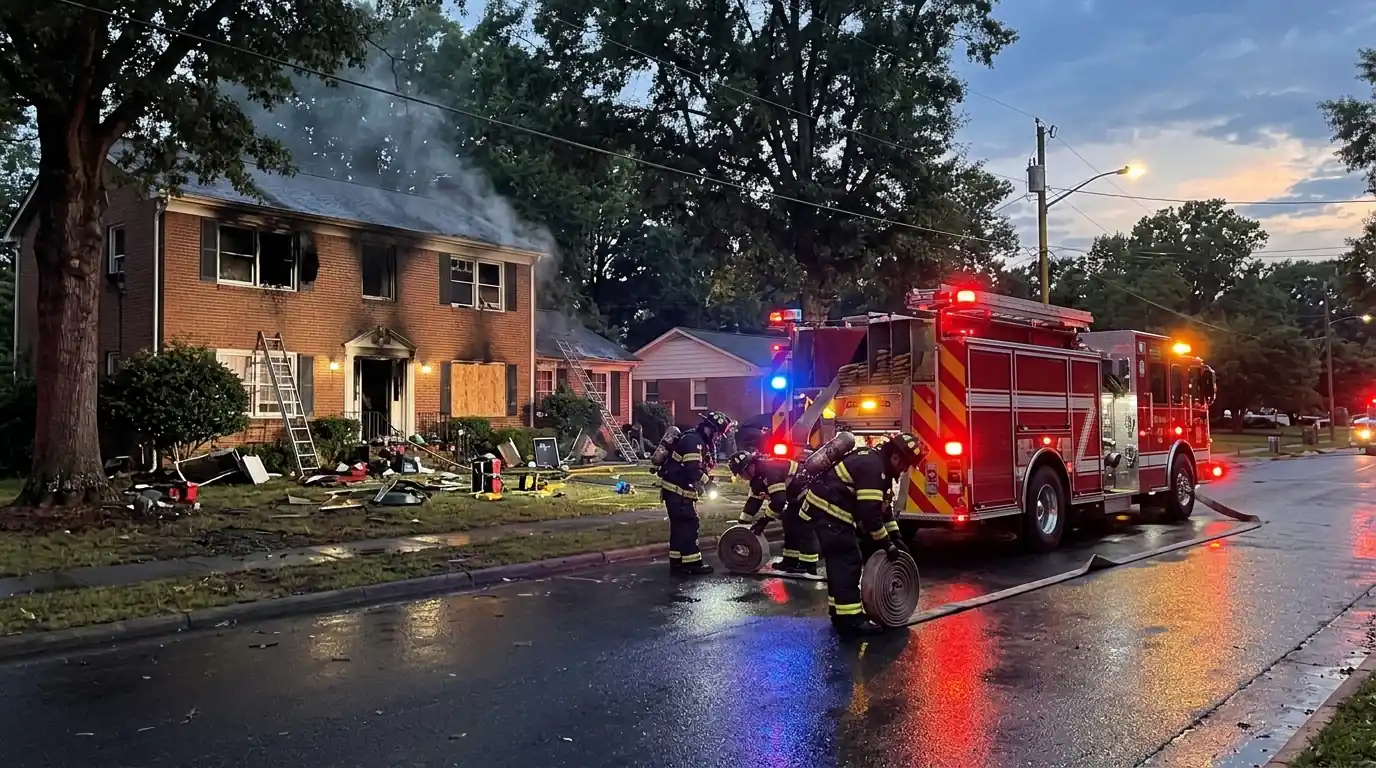
Do not re-enter until the fire department says the structure is safe. Crews check for hidden fire in walls and attics and for weakened floors, stairs and ceilings, and they release the property to the owner once that is done. If the power or gas was shut off, leave it off until a professional says otherwise.
If anyone was hurt or breathed heavy smoke, get them checked, even if they feel fine. The same goes for pets. Smoke inhalation can show symptoms hours later, and nothing in the house is worth waiting on.
Who to call, and in what order
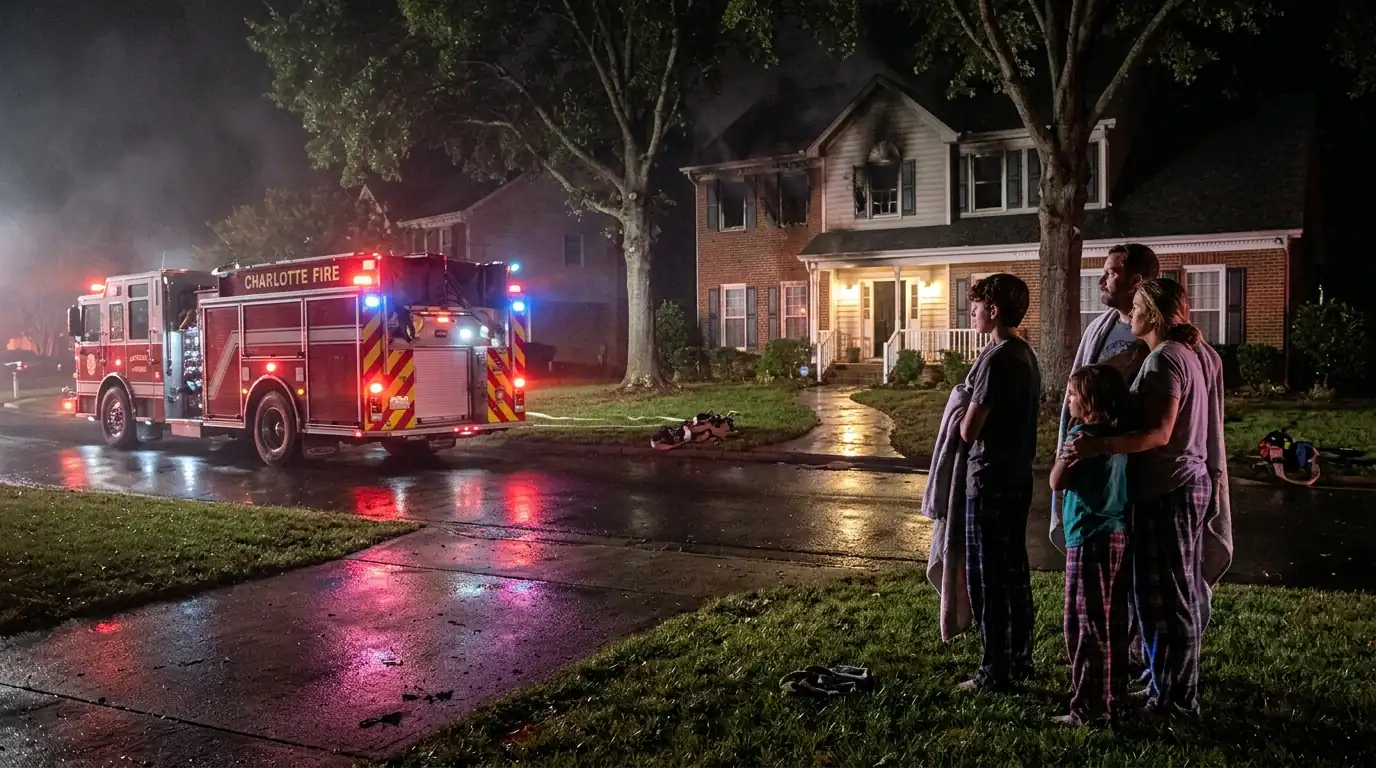
Three calls matter on the first night. Your insurance company or agent, to open a claim and ask about temporary housing. A restoration company, for emergency fire damage restoration: securing the house, stopping the water and starting the record. And, if you cannot stay in the house, family or the American Red Cross, which helps displaced households after home fires across the Charlotte region.
It does not matter much whether the insurer or the restoration company is called first. What matters is that the house is secured and documented room by room before anything moves, because that record becomes your claim.
What to take with you tonight
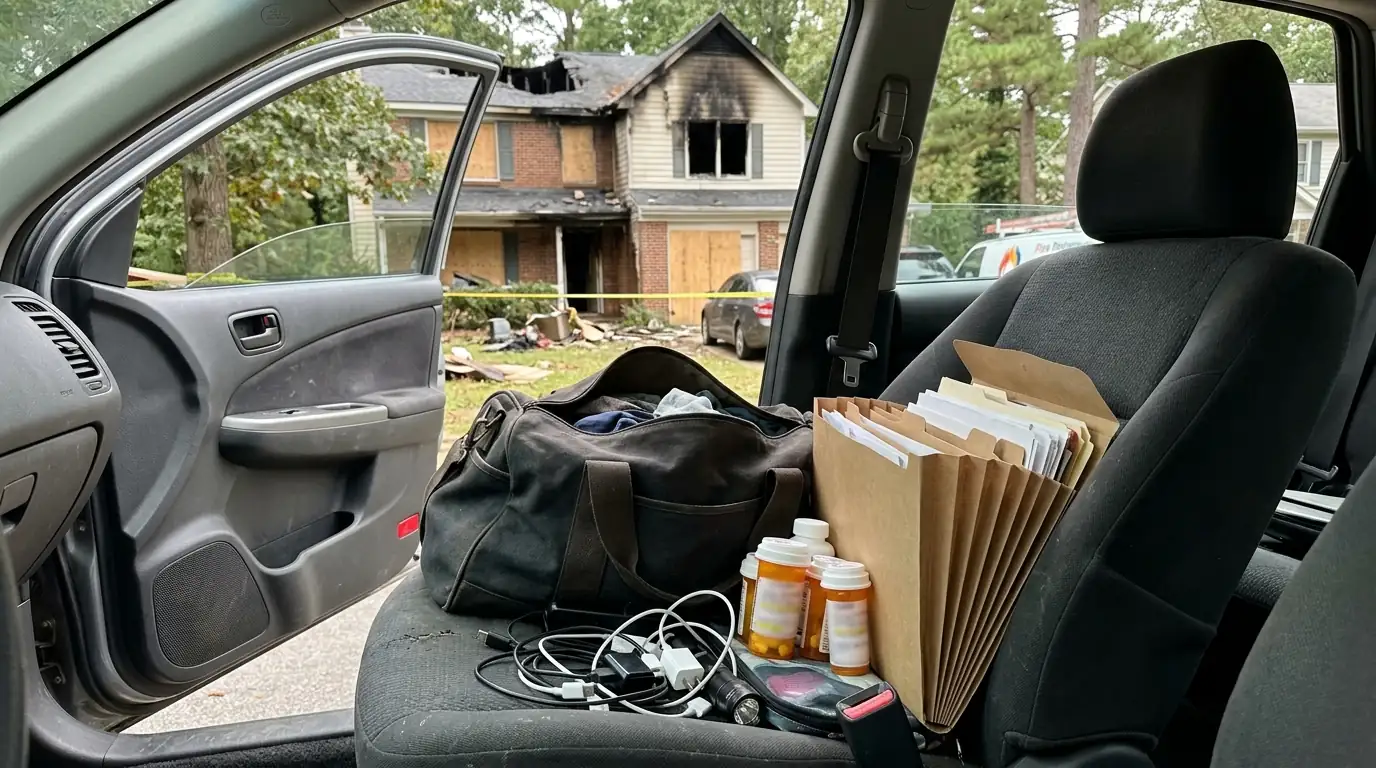
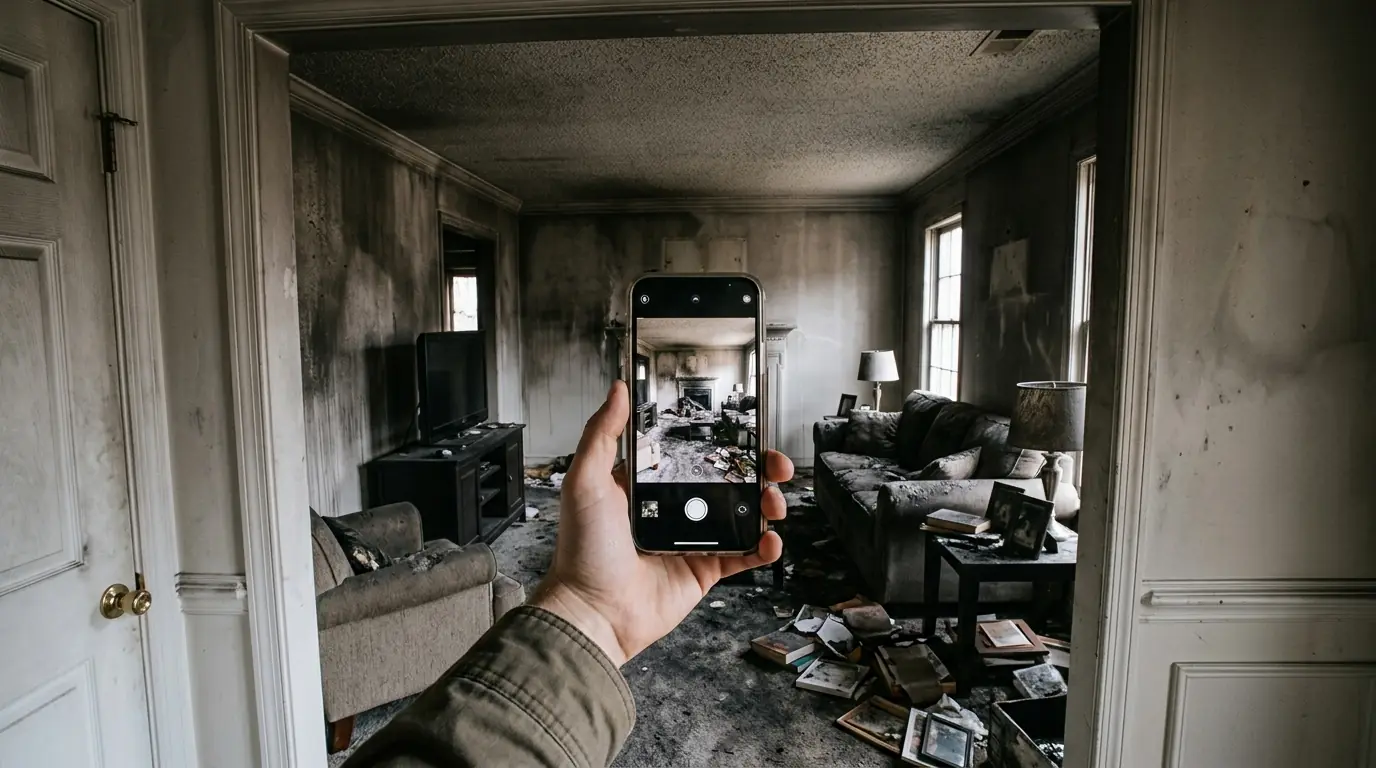
If you are allowed in briefly, take only what you need for the next few days, and photograph each room from the doorway before you touch anything. Everything else can wait until it has been documented.
- Medications and medical devices
- Wallet, IDs, cards and checkbook
- Phones, laptops and chargers, kept unplugged if they sat in smoke
- Glasses and hearing aids
- A few days of clothes, bagged
- Pet food and supplies
- Important papers, even if damaged; wet ones go in a bag, not near a heater
Fire tonight?
Call now. We answer any hour and meet you at the house once the fire department releases it.
(704) 368-1592What to leave alone until it is checked
Some of the most natural things to do after a fire make the damage worse or the claim harder. These can all wait a day or two.
- The HVAC. Running the heat or air pushes soot into every duct and room; duct cleaning comes first.
- Soot on walls and ceilings. Wiping it smears it into the paint; proper smoke cleanup starts with dry methods.
- Electronics. Do not switch them on to test them; our electronics page explains why.
- Food. Throw out open food and anything that was near the heat or smoke.
- Damaged belongings. Keep them until your adjuster agrees; they are evidence for the claim.
The next 48 hours
Once the house is secure, the work shifts to stopping damage that is still happening. Firefighting water keeps wicking into walls and floors and can start mold within a day or two, so water extraction starts first. Soot keeps etching metal, glass and grout, so surfaces are tested and cleaning is planned. Belongings that can be saved are photographed, inventoried and moved to dry storage.
Keep receipts for hotels, meals, clothing and anything else you buy because of the fire. Many policies reimburse additional living expenses, and receipts are what make that simple.
If you rent, or the fire started next door
Renters follow the same steps with one difference: two policies are usually involved. The landlord's policy covers the building, and your renters policy, if you have one, covers your belongings and often your temporary housing. Call your landlord or property manager on the first night as well as your own insurer, and photograph your belongings separately from the building.
If the fire started in a neighboring unit and your home only took smoke or water, the damage is still real. Soot in closets, odor in fabric and residue in the HVAC are smoke intrusion problems, and they need the same testing and cleaning as a direct fire. In apartment buildings, multifamily fire restoration is coordinated with the property manager so each household's records stay separate.
Getting the fire department report
Your insurer will usually ask for the fire department report or its incident number. The City of Charlotte publishes Charlotte Fire Department incident reports on its open data portal, written to national incident reporting standards, and you can also ask the department directly. Keep the incident number with the rest of your claim paperwork, next to the photos and the scope.
Questions people ask about this
Only if the fire department says it is safe and the power, water and air are fine. After most significant fires the answer is no, at least for a few days.
No. Wiping soot smears it, and cleaning before the house is photographed can hurt your claim. Wait until the residue is tested.
Usually not. Most policies let you choose who does the work. Ask your insurer how they handle your choice.
Small fires still spread soot and odor through the house. It is worth having the residue checked even if only one room burned.
Ask the fire department for the incident number, and look up Charlotte Fire Department reports on the city's open data portal.
Keep reading
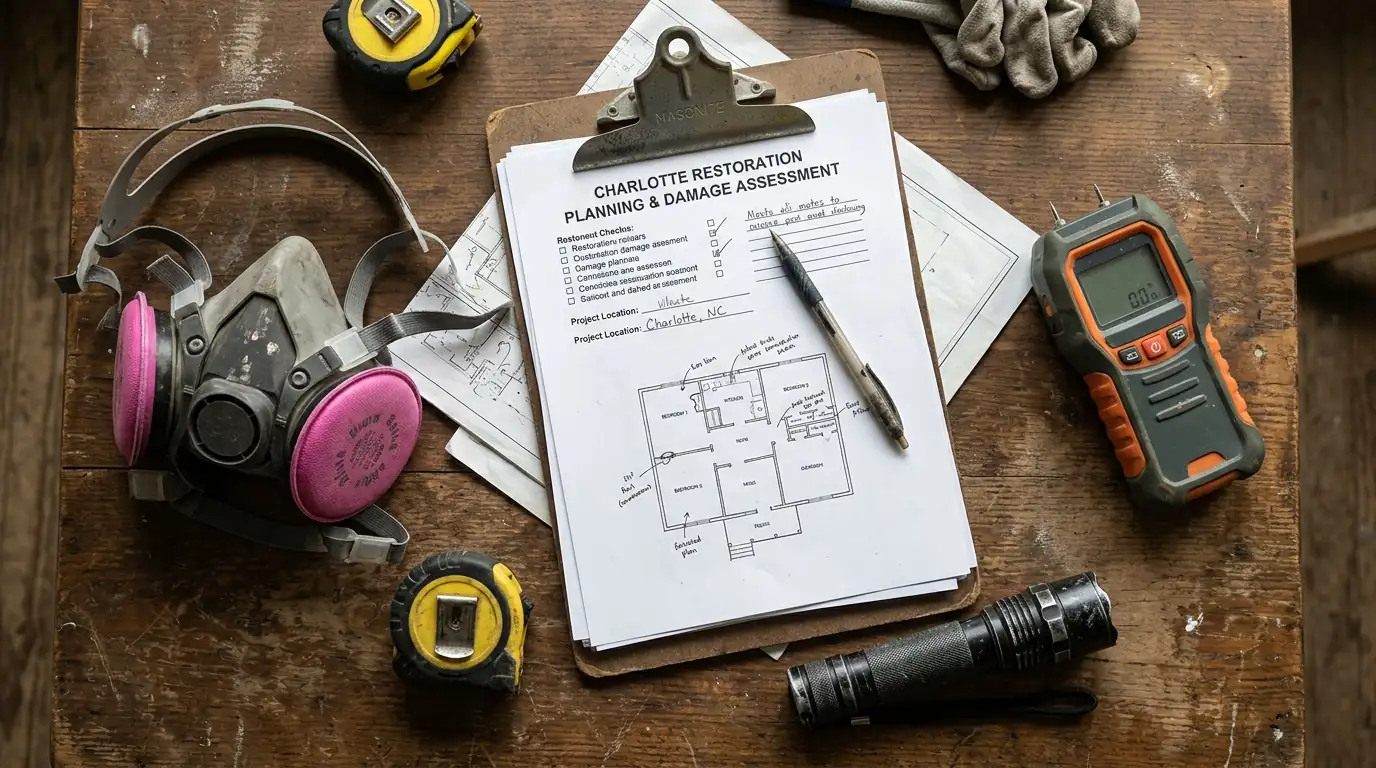
Staying home after a small kitchen fire
What to check first, who should sleep elsewhere, and when a small fire still needs professional cleanup.
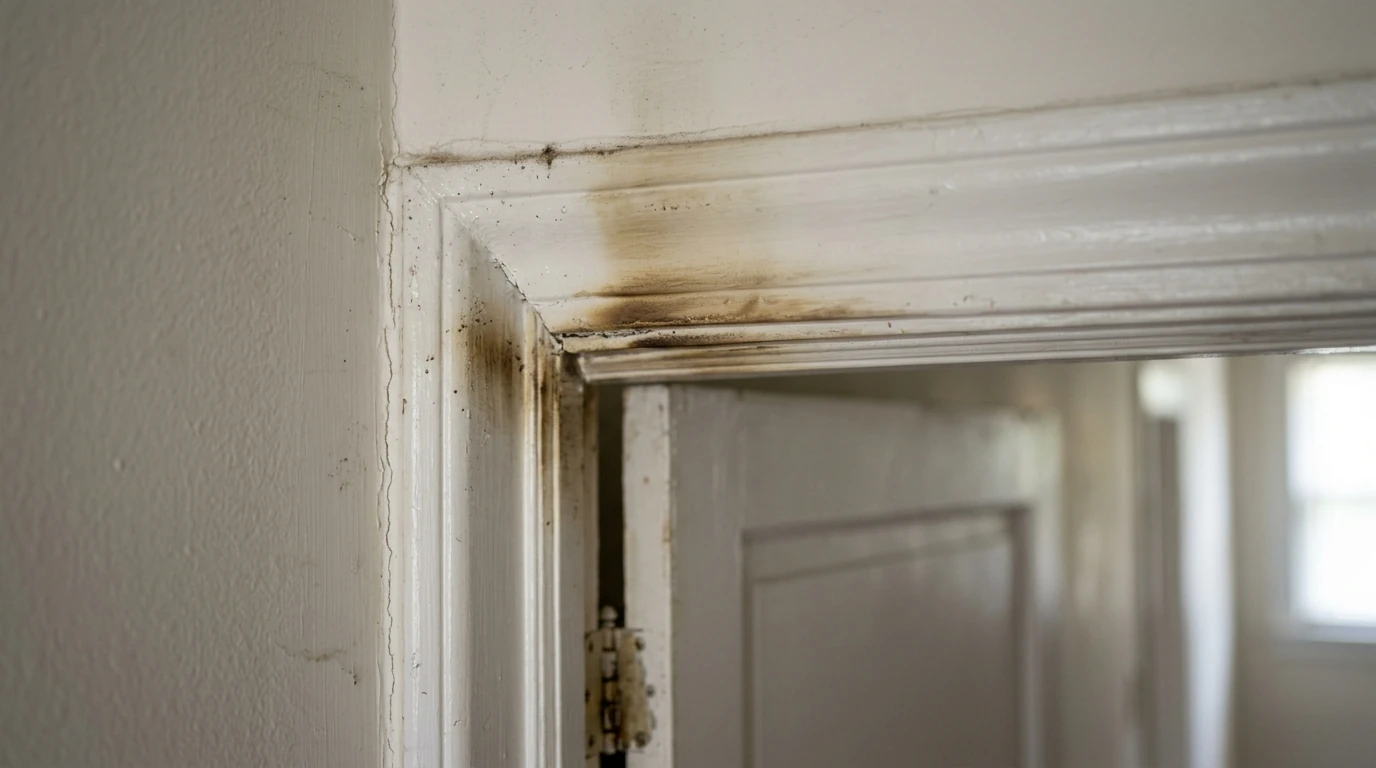
Board-up vs tarping after a fire
Which openings get plywood, which get tarp, and why both usually happen the same night.
Why you should not run the HVAC after a fire
One switch can spread soot to every room in the house. What to do with the system instead.
Standing outside the house right now?
Call us. We will talk you through the next hour and meet you once the house is released.
Call (704) 368-1592