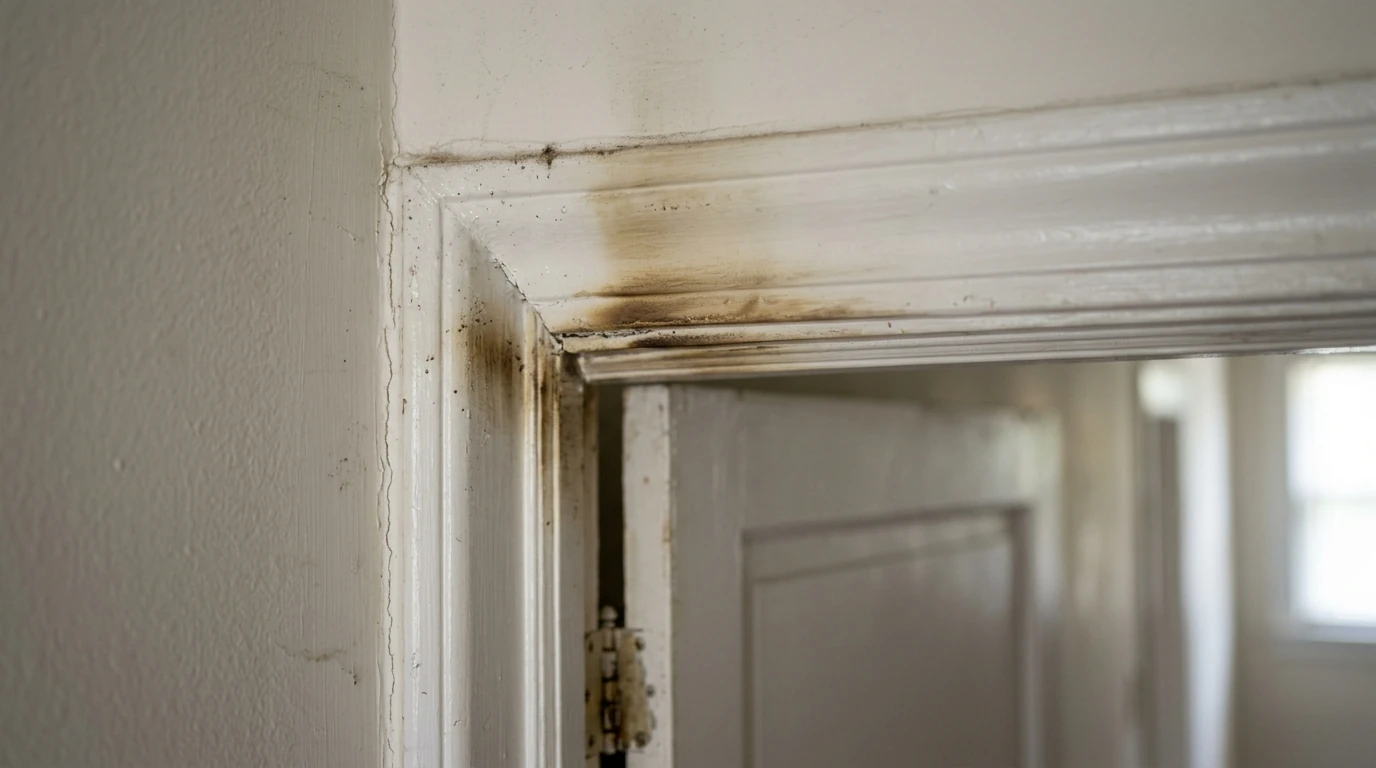
House fire in Charlotte: what to do first
The first hour after the fire department leaves: what to touch, what to leave alone, and who to call in what order.
18 guides
Eighteen guides, written for the weeks after a fire. What to do first, what the work involves, what it costs, how insurance, leases and sales are affected, and how long it all takes, in plain language.
By Alan Kimbrell, Restoration Guides Editor
Updated September 2026
These guides answer the questions people ask on the phone in the first days after a fire, in the order they usually ask them. Each one explains how the work is actually done, cites published cost ranges and local sources where they exist, and links to the service pages that cover the same work in more detail.
Start with the cluster that matches where you are. If your question is not here, call; the phone is answered around the clock whether or not you need work done.
What to do in the first hours and days, when decisions happen fastest and mistakes cost the most. These cover getting back into the house safely, whether to stay after a small fire, closing the house against the weather, and the one appliance that can undo a whole cleanup.
The first hour after the fire department leaves: what to touch, what to leave alone, and who to call in what order.
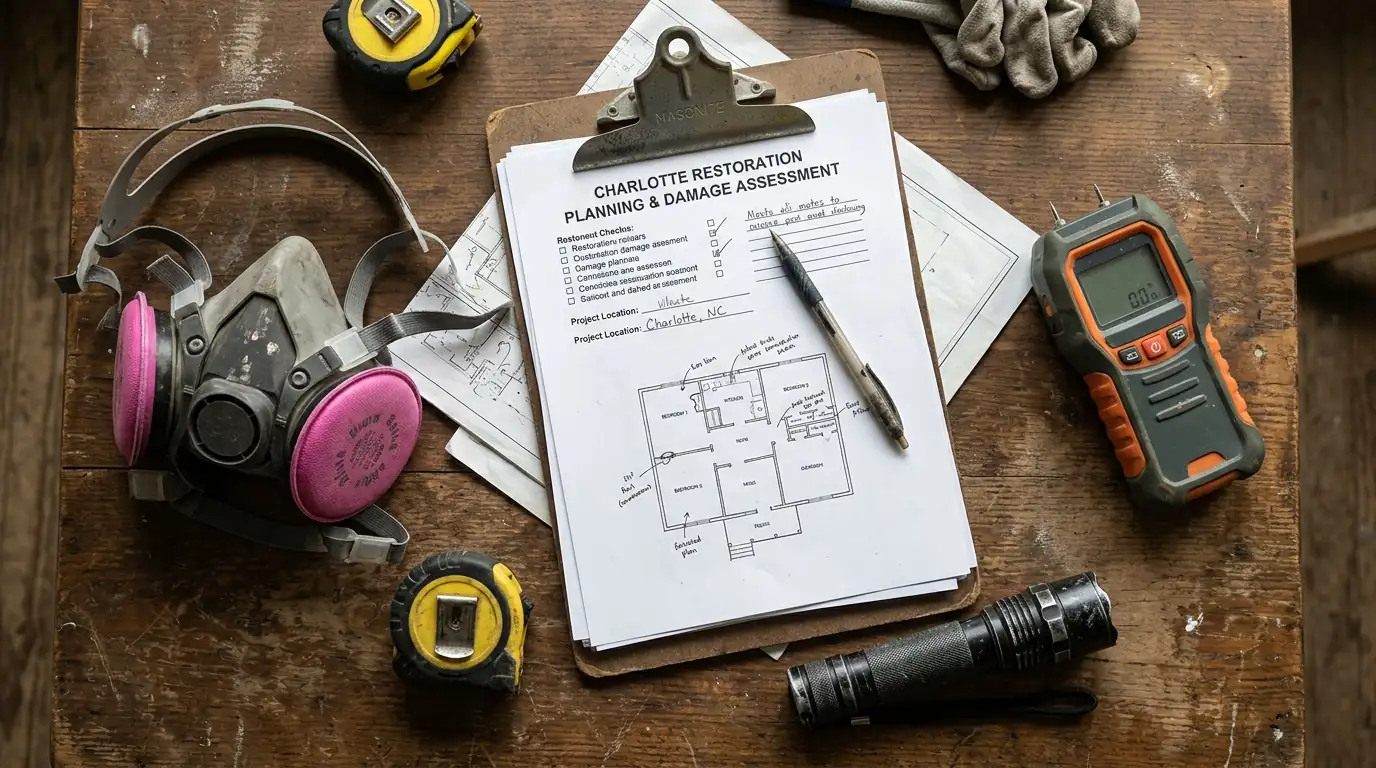
What to check first, who should sleep elsewhere, and when a small fire still needs professional cleanup.
Which openings get plywood, which get tarp, and why both usually happen the same night.
One switch can spread soot to every room in the house. What to do with the system instead.
How soot, smoke film and odor actually come out of a house and the things in it, and why the order matters. Read these before anyone wipes a wall or runs a load of smoky laundry; both are easy to get wrong and hard to undo.
Two fires, two completely different cleanups. How we read the residue before a single wall gets touched.
Why candles and open windows fail, and how fogging, hydroxyl and sealing actually remove the odor.
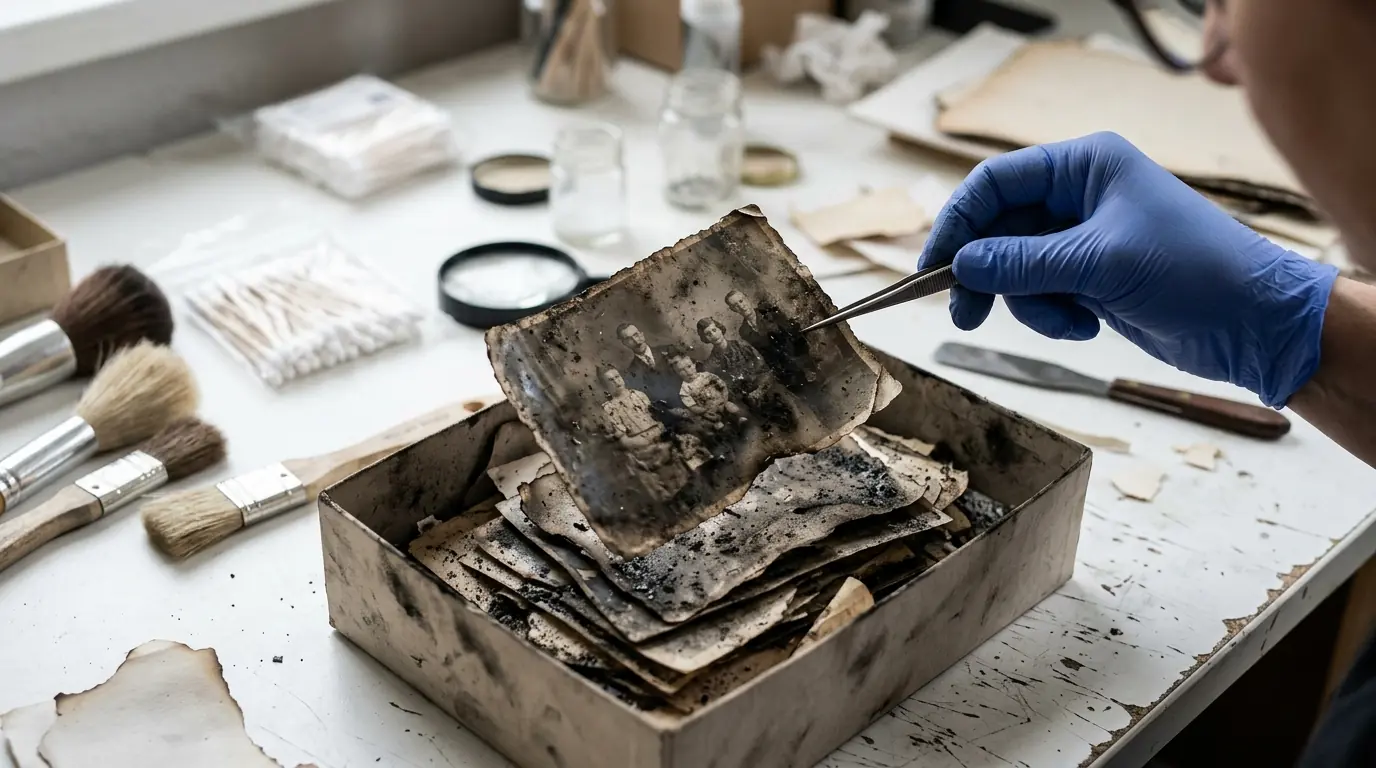
What restores well, what rarely does, and how to decide before you throw anything away.
Food, medicine, cosmetics and soft goods that have to go, what is worth cleaning, and why to photograph first.
What restoration costs, how to document the loss for your insurer, and how long each phase takes. These are the guides to keep open while the scope is being written and the claim is moving.
Published planning ranges for board-up, soot removal, odor treatment and rebuild, and what pushes a job to the high end.
Photos, inventory, receipts and moisture logs: what an adjuster needs to see and how we help you build the file.
From a two-day kitchen fire cleanup to a months-long rebuild: realistic timelines phase by phase.
The questions to ask on the first call, the signs of a careful company, and the warning signs to walk away from.
Where you live while the house is restored, what renters should do, and who pays when the fire started next door. These cover the insurance and lease questions that come up in the first week, often before the cleanup is even scheduled.
How loss-of-use coverage pays for a hotel, meals and mileage while the house is restored, and the receipts that get paid.
Renters insurance, the landlord's role, what NC law says about your lease, and getting your belongings out and cleaned.
Why your own policy usually pays first, how subrogation works, and the smoke and water damage to check for next door.
The fire report your insurer will ask for, what changes when you sell a house that once burned, and how to keep a heating fire from starting in the first place.
What the fire report shows, how to request it from the City of Charlotte or a nearby department, and what to do while you wait.
Restore first or sell as is, what the NC disclosure form asks about fire, and the records that reassure buyers.
Space heaters, chimneys, furnaces and generators: how to heat safely through a cold snap and what to do if something catches.
Some situations should not wait for reading. If water is still on the floor, the roof or a window is open to the weather, the heat or air is running after a fire, or anyone smells burning plastic or gas, call first and read later. Those are the hours when damage spreads fastest, and a few minutes on the phone usually saves days of work.
The guides are written by Alan Kimbrell, Restoration Guides Editor for Smoke Damage Cary. They describe the work the way it runs on Charlotte and Triangle jobs: plain steps, published cost ranges cited as planning figures rather than quotes, and local facts from sources such as the NC Office of State Fire Marshal, Mecklenburg County and the City of Charlotte. Each guide is dated and updated when the practice or the numbers change.
With what to do first: stay out until the fire department releases the house, secure it, keep the HVAC off, and document everything before cleaning.
No. They are published planning ranges from national cost guides. A real number comes from a scope written for your house.
No. They explain how the work is done so you can make decisions; residue tests and moisture readings on your house decide the actual scope.
Alan Kimbrell, Restoration Guides Editor for Smoke Damage Cary.
Yes. The phone is answered 24/7, whether or not you need work done.
Call and ask. We answer any hour and will tell you what applies to your house.
Call (704) 368-1592Charlotte service office
9005 Perimeter Woods Dr Ste C, Charlotte, NC 28216