To document a fire loss for an insurance claim in North Carolina, photograph and film every room before anything is cleaned or moved, list damaged belongings with details and serial numbers, keep damaged items until the adjuster agrees, save every receipt for living expenses, and get the fire department incident report. Report the claim promptly and protect the property from further damage.
Why documentation decides the claim
Every step of a fire recovery removes evidence. Soot gets cleaned, wet drywall comes out, damaged belongings get bagged. If none of it was recorded first, the adjuster sees a cleaned house and a list written from memory, and items nobody listed are items nobody pays for.
Most homeowners policies also set out duties after a loss: give prompt notice, protect the property from further damage, and provide an inventory of damaged property when asked. Good documentation covers all three.
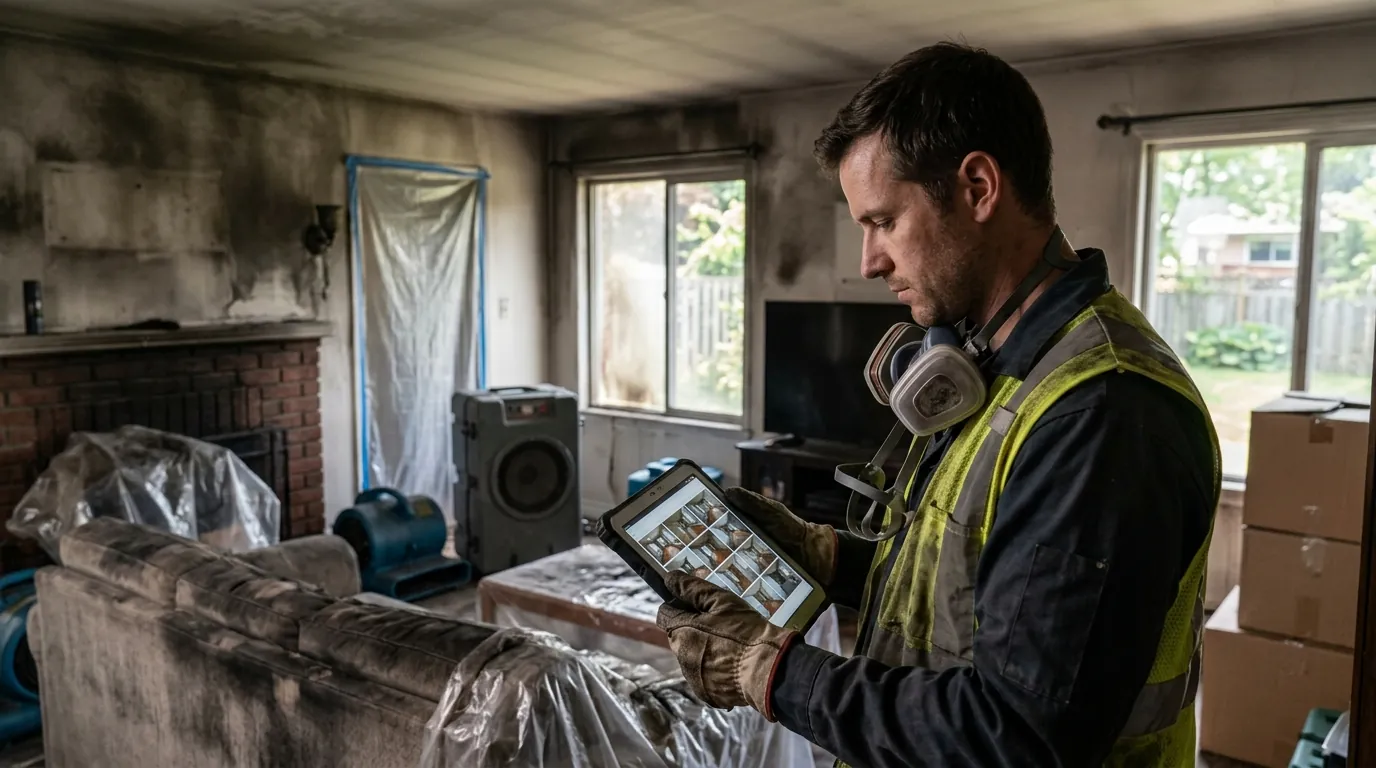
Photograph and film the house first
Do this before cleaning, before demolition and before you take belongings out, if it is safe to go in. A restoration assessment adds residue tests and moisture readings to the same record.
- Every room, from each corner, before anything moves.
- One continuous video walk-through, narrating what you see.
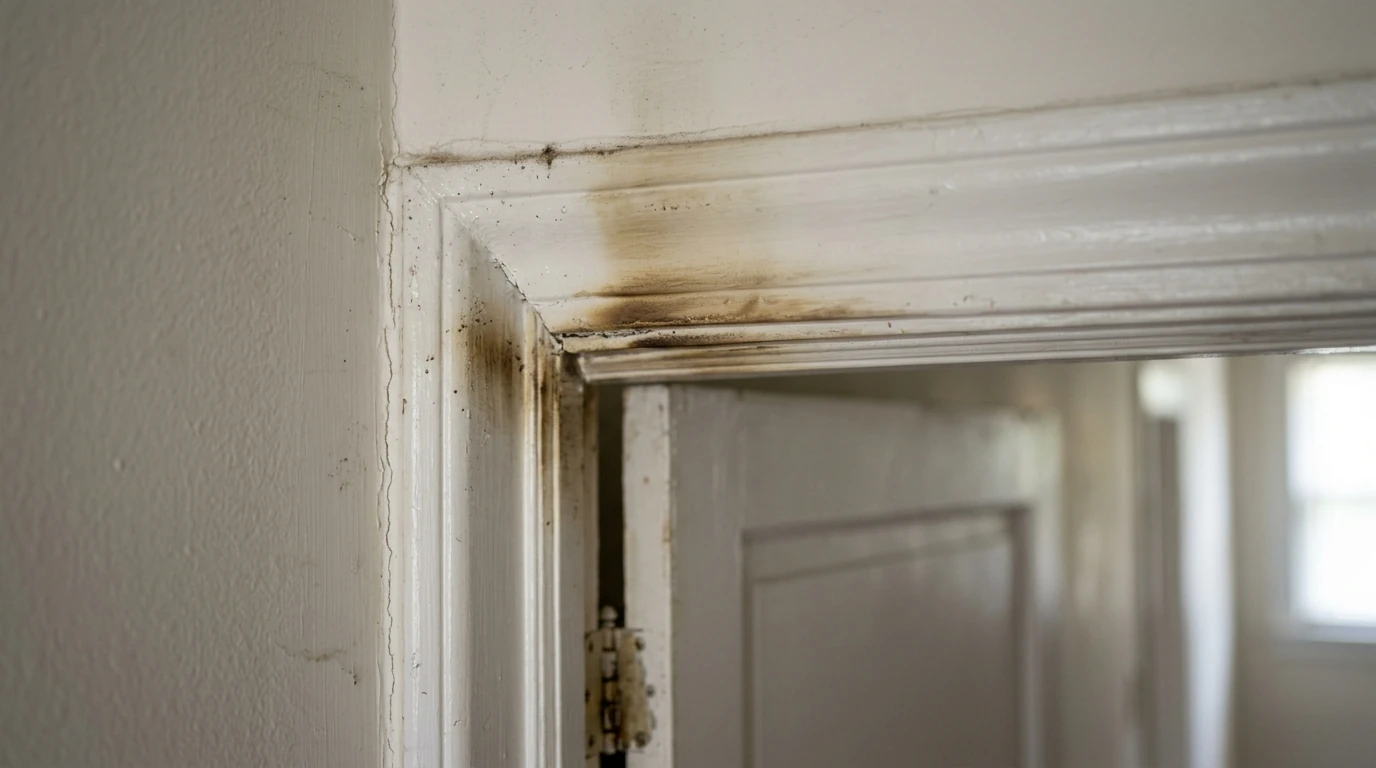
- Close-ups of damage: burn marks, soot patterns, water lines, sagging ceilings.
- Rooms that look fine, including closets and cabinets, because smoke reaches them too.
- The outside: roof, windows, doors and anything the firefighters opened.
Build the contents inventory
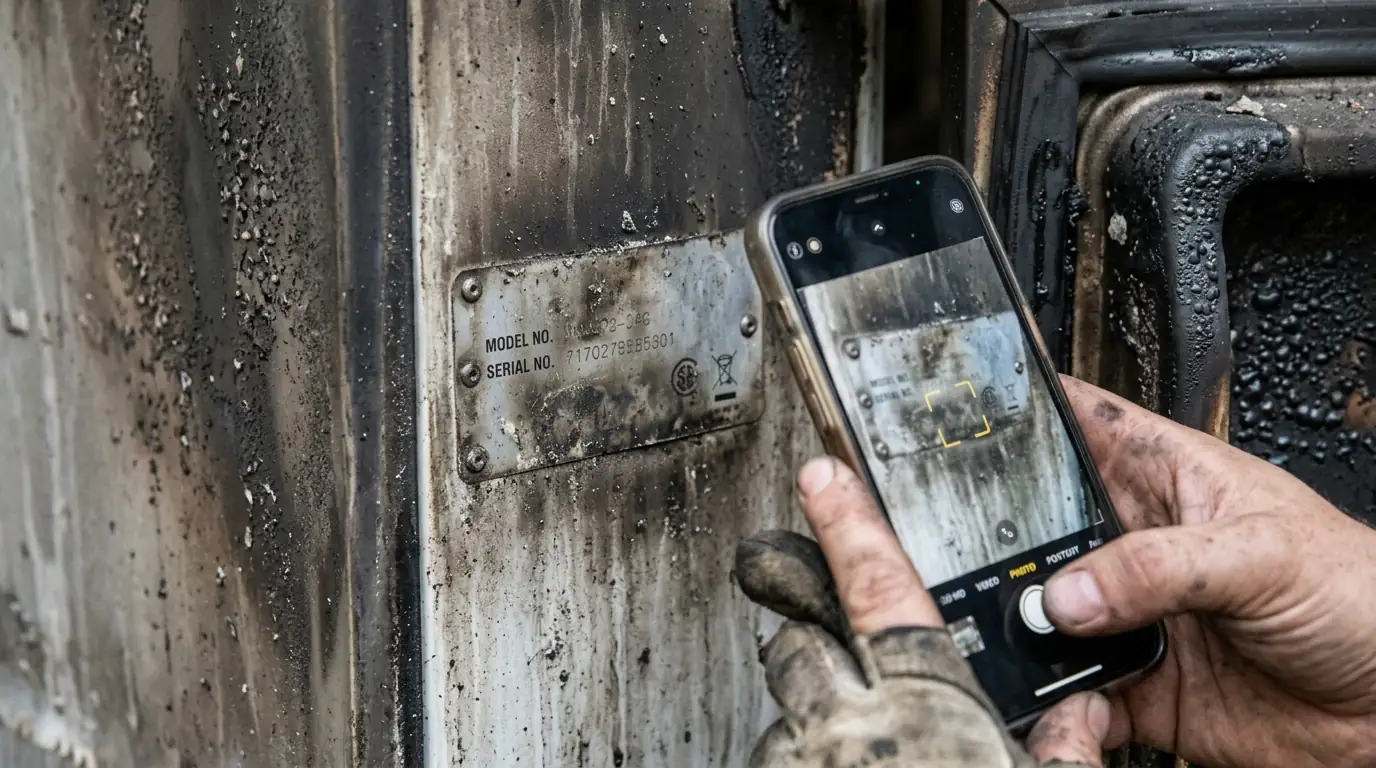
The contents inventory is where claims most often come up short, because people remember big items and forget the rest. List belongings room by room, with a description, approximate age, where it was bought if you know, and a model or serial number for electronics and appliances. Photograph labels and serial plates. For clothing and small items, photos of a full closet or drawer can stand in for an item-by-item list.
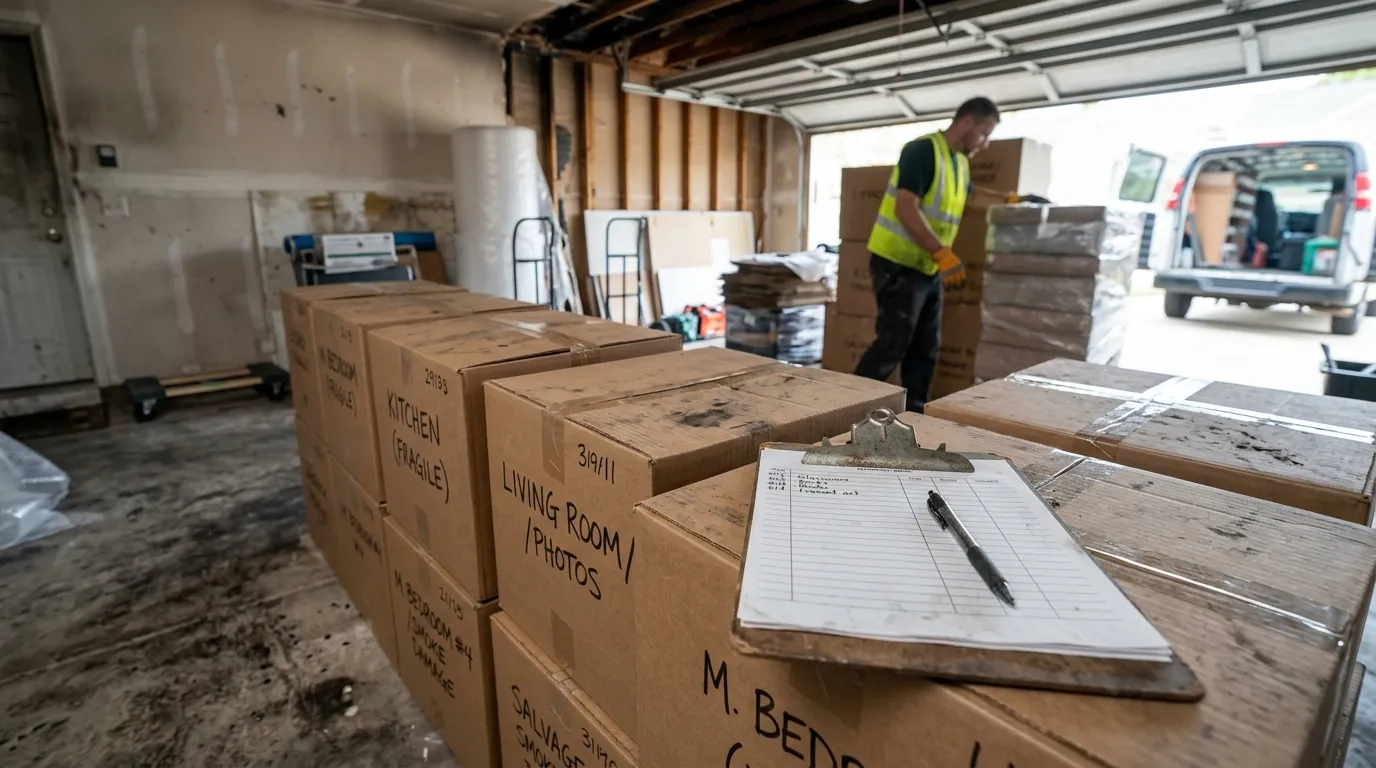
A contents pack-out builds this inventory as items are packed, with a photo and condition note for each, which saves you most of the work.
Need the house documented before anything moves?
Call and we will test, measure and photograph every room for your claim.
(704) 368-1592Keep damaged items until the adjuster agrees
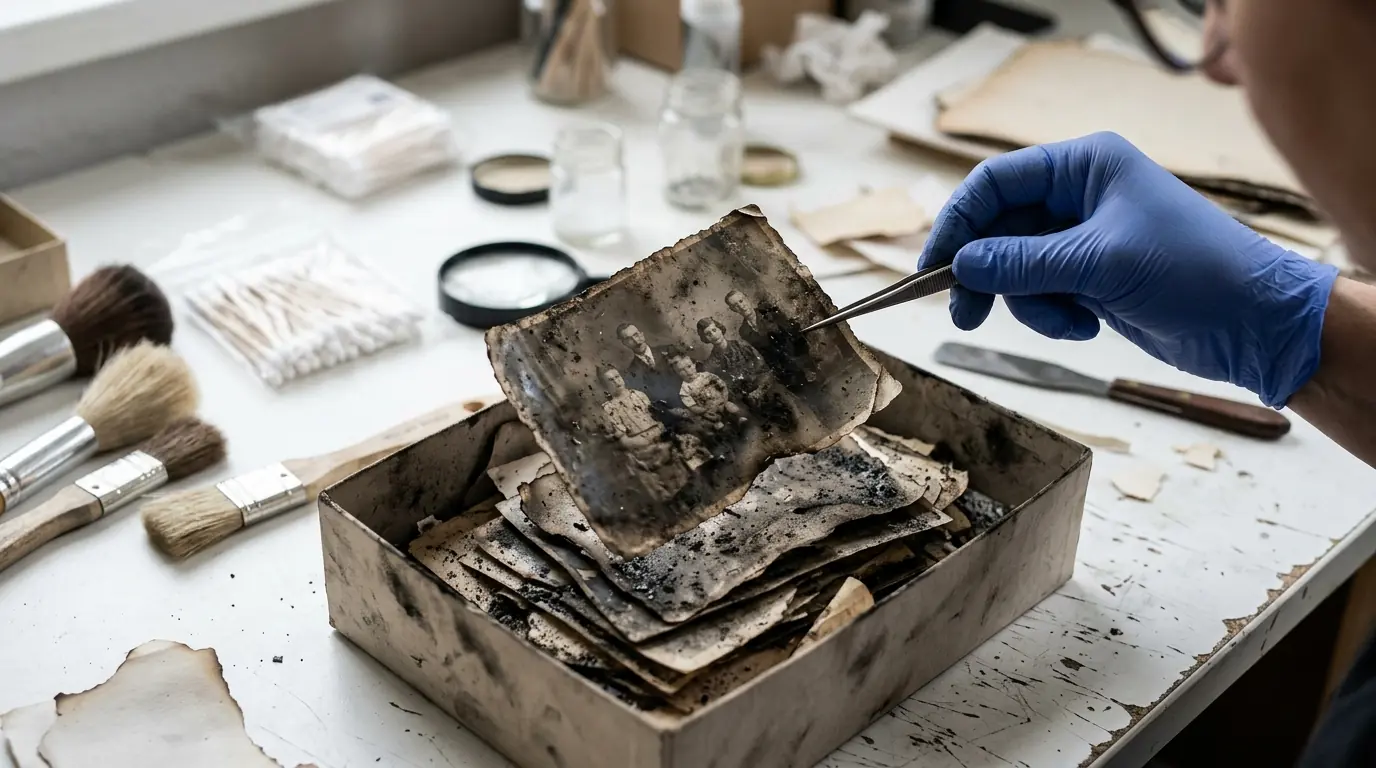
It is tempting to clear out ruined things quickly. Do not throw anything away until your adjuster has seen it or agreed in writing, unless it is a hazard such as spoiled food. Damaged items are evidence, and a photo without the item can lead to questions later. Restorers photograph and list items that cannot be saved and hold them until the claim allows disposal. If something has to go early for safety, photograph it, note what it was, and tell the adjuster in writing.
Keep every receipt from the first night
Many policies reimburse additional living expenses, the extra costs of living somewhere else while the house is restored: hotel or rent, meals above your usual grocery bill, laundry, mileage and similar costs. Keep every receipt from the first night on, in one folder or photographed into one album. Receipts for emergency purchases, such as clothes and toiletries, belong there too.
Get the fire report and the scope
Your insurer will usually ask for the fire department's incident report or number. In Charlotte, Charlotte Fire Department incident reports are published on the city's open data portal, and the department can give you the incident number directly.
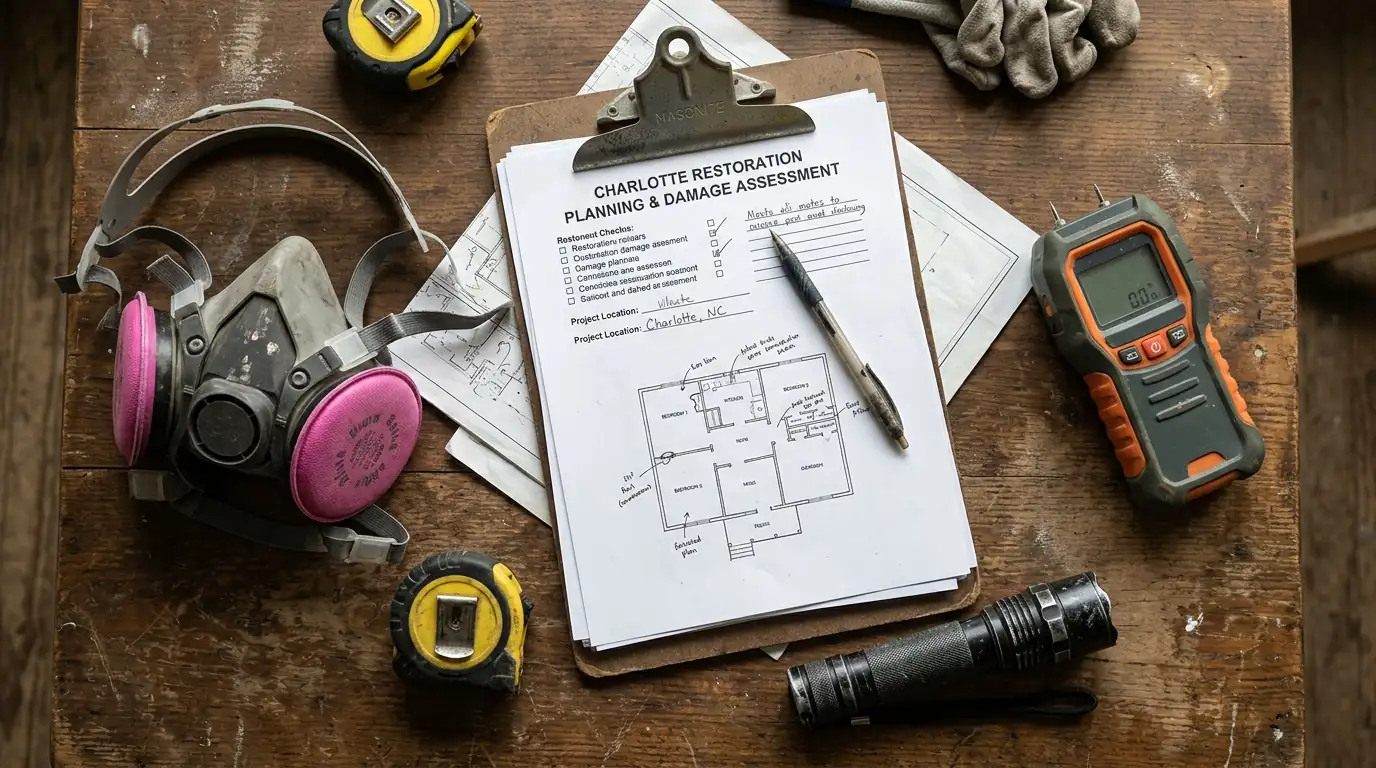
The other key document is the restoration scope: a room-by-room list of what will be dried, cleaned, removed and rebuilt, backed by residue tests, moisture readings and photos. That is what the adjuster prices from, so ask for a copy and keep it with the report.
Keep everything in one claim file
Fire claims run for weeks or months, and paperwork arrives from many directions. One folder, paper or digital, with a section for each kind of record makes every conversation with the adjuster faster, and it means nothing gets lost when you move between a hotel, family and home.
- Photos and video, organized by room.
- The contents inventory, with serial numbers and condition notes.
- Receipts for living expenses and emergency purchases.
- The fire department incident report or incident number.
- The scope, estimates and invoices, including board-up and extraction on the first night.
- Every letter and email with the insurer, plus notes of each phone call.
If the claim stalls
Most fire claims settle through ordinary back and forth with the adjuster, and documentation is what settles disagreements. If a claim stalls or you think it is being handled unfairly, the North Carolina Department of Insurance has a consumer services division that answers questions and takes complaints about insurers. Keep copies of everything you send and receive, and note the date and name for every phone call.
Questions people ask about this
As soon as you can. Policies generally require prompt notice, and reporting early starts the process for temporary housing.
Emergency steps to prevent further damage, such as board-up and water extraction, yes, and document them. Hold off on permanent repairs until the scope is agreed.
Photograph the damaged items now, and use receipts, bank statements and old photos on your phone or social media to support the list.
Usually, yes. The scope, photos and readings are shared so the adjuster can review the work.
Talk to your adjuster and agent first. If that fails, the North Carolina Department of Insurance consumer services division handles questions and complaints about insurers.
Keep reading
How long fire damage restoration takes
From a two-day kitchen fire cleanup to a months-long rebuild: realistic timelines phase by phase.
Choosing a fire restoration company
The questions to ask on the first call, the signs of a careful company, and the warning signs to walk away from.
Additional living expenses after a house fire
How loss-of-use coverage pays for a hotel, meals and mileage while the house is restored, and the receipts that get paid.
Want the loss documented properly?
Call and we will walk the house, test, measure and photograph it, and hand you the file.
Call (704) 368-1592