Fire damage restoration in Charlotte takes anywhere from a few days for a small, smoke-only kitchen fire to several months when framing, the roof or a kitchen has to be rebuilt. The emergency phase takes a day or two, drying several more, cleaning and contents work days to weeks, and reconstruction weeks to months, paced mostly by permits and inspections.
Why there is no single answer
Restoration time depends on how many phases a fire creates and how big each one is. A stovetop fire that left protein residue in the kitchen might need cleaning and odor treatment and nothing else. A fire that burned into the attic might need every phase, from board-up to a permitted rebuild.
The phases also overlap. Contents can be cleaned while the structure dries, and odor treatment waits for cleaning but not for the rebuild.
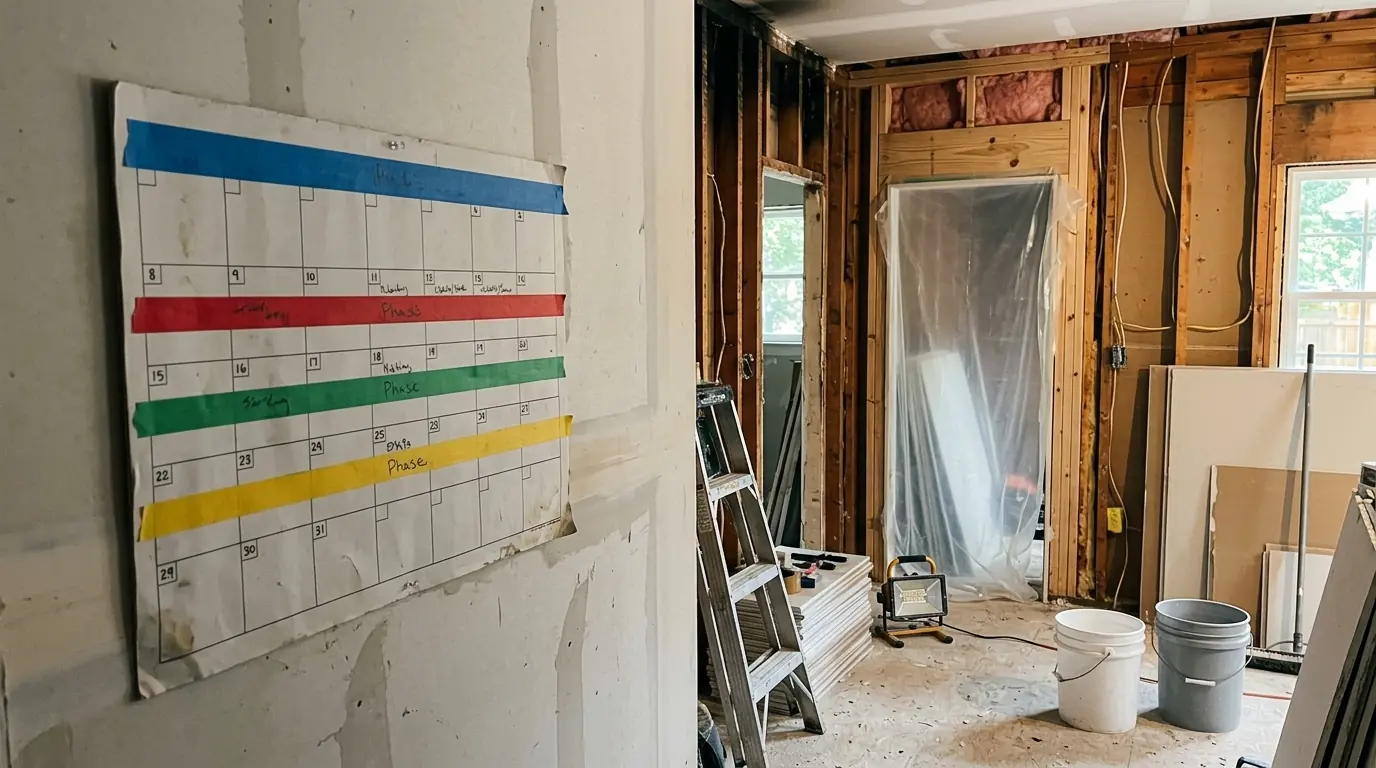
How long each phase usually takes
These are typical ranges, not promises; the scope written for your house is what sets the real schedule, and it is updated as the job moves along.
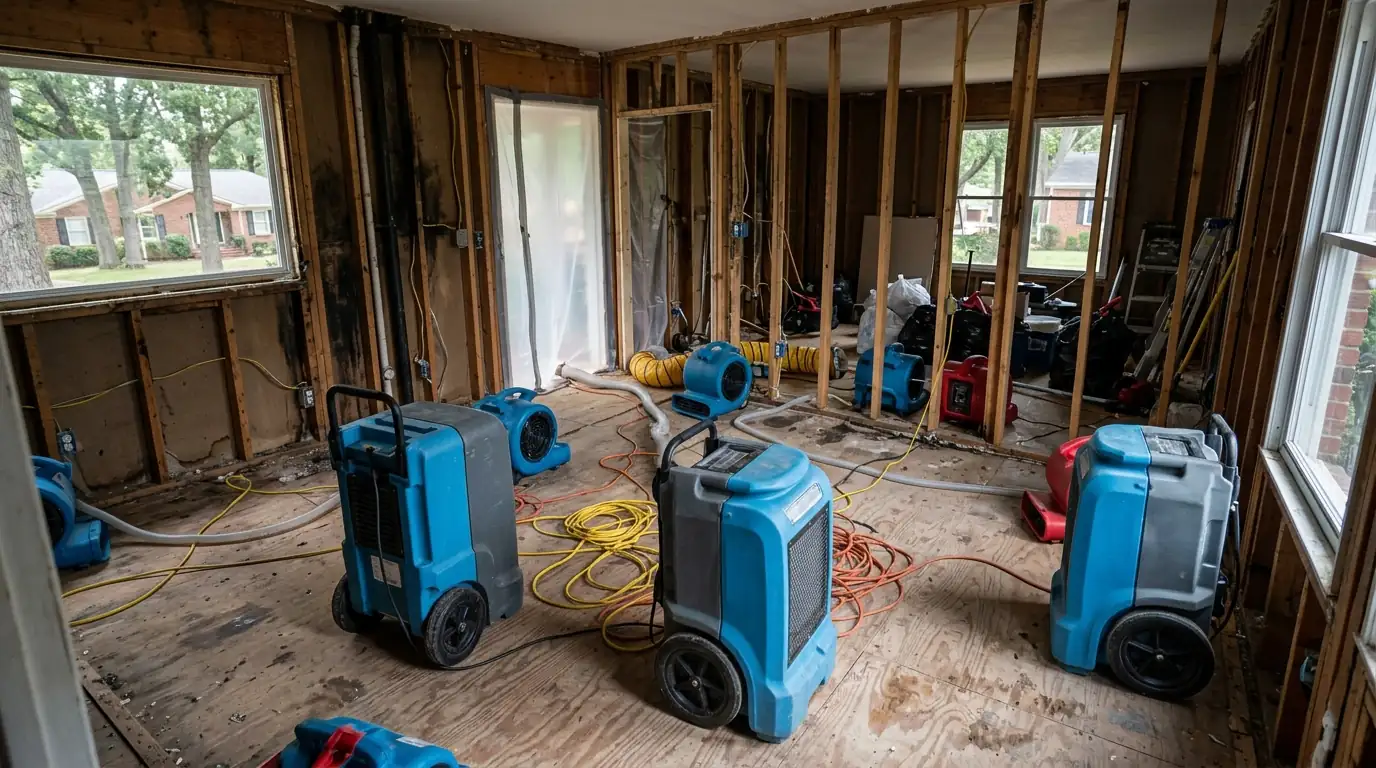
- Emergency response: a day or two. Board-up, tarping, extraction, drying setup and documentation.
- Drying: several days. Longer for hardwood, plaster and crawlspaces, set by daily readings.
- Cleaning: days to a couple of weeks. Depends on how far the smoke went and the residue type.
- Odor treatment: hours to several days. After cleaning, before or during the rebuild.
- Contents: days to weeks, in parallel. Cleaning and storage run alongside the structure.
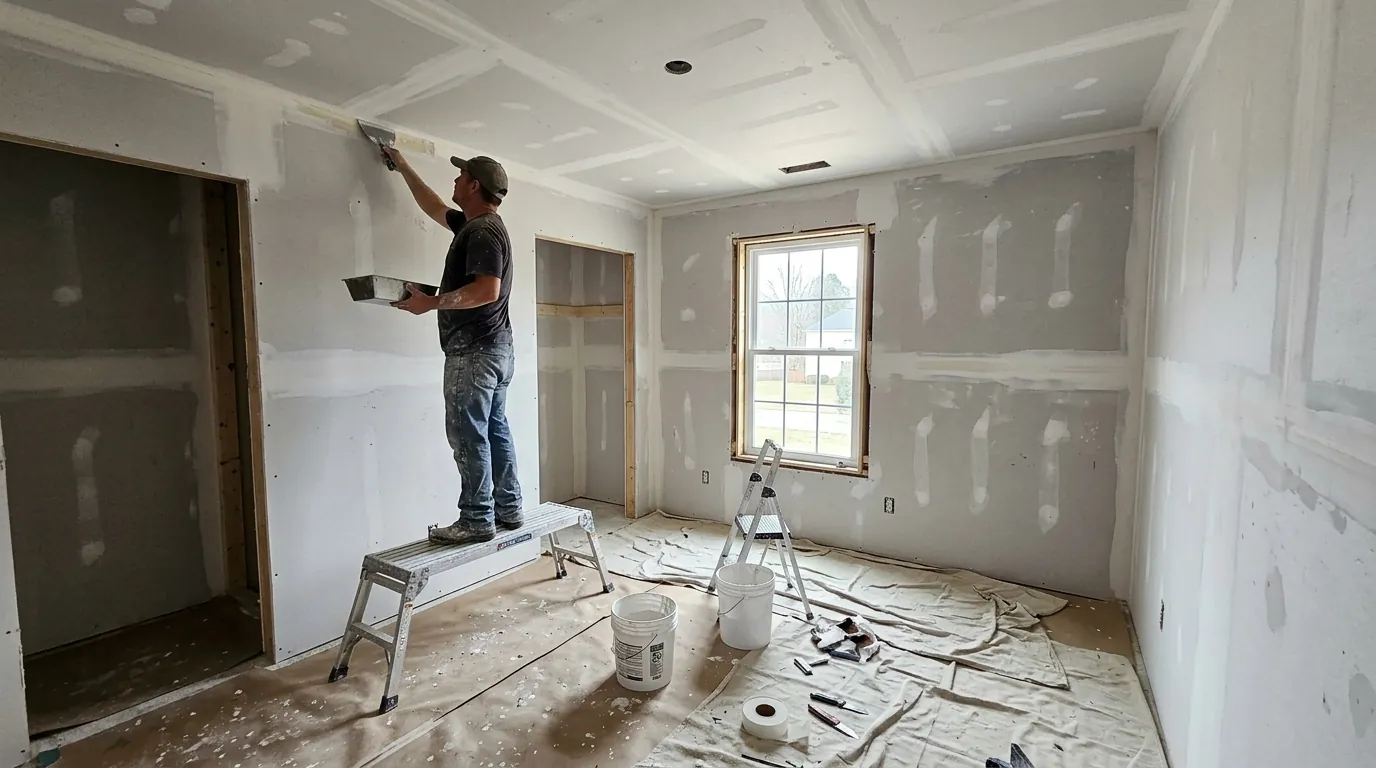
- Reconstruction: weeks to months. Paced by permits, inspections and material lead times.
What makes a job run longer
The biggest factor is structure. Charred framing, roof decking or trusses mean permitted repairs, and each inspection has to pass before the next trade can close anything in. Mecklenburg County issues more than 100,000 permits and runs over 320,000 inspections a year, so inspection scheduling is part of every rebuild calendar here.
Other things that stretch the schedule: water that reached crawlspaces or plaster walls, custom finishes like matched trim or cabinets, and waiting on claim approval between the scope and the start of the rebuild.
Want a timeline for your house?
Call and we will walk it and lay out the phases and the schedule.
(704) 368-1592What keeps it short
Calling early is the biggest lever. Soot left for days etches surfaces that would have cleaned easily, and water left for a day or two starts mold, which adds a phase. That is why emergency fire damage restoration focuses on securing, drying and documenting on the first day.
Keeping the HVAC off stops residue spreading to rooms that would otherwise need no cleaning. Letting the house be documented before anything moves speeds up the claim, and a clear, room-by-room scope approved early keeps the rebuild from waiting.
Typical timelines for common fires
Most fires fall into one of a few patterns, and each has a typical shape.
- Small stovetop fire, smoke in the kitchen and nearby rooms: often a few days to a week.
- Kitchen fire with protein residue through the house: a week or two, plus odor treatment.
- Any fire with heavy firefighting water: add several days of drying before cleaning.
- Attic or structural fire: several weeks to a few months, most of it rebuild.
- Smoke intrusion from a neighbor's fire: often days, mostly cleaning and odor work.
How the insurance claim affects the calendar
The claim runs alongside the work, and it can set the pace. Emergency work starts right away, but the cleaning and rebuild scope usually needs the adjuster's approval before larger work begins, and hidden damage found once walls are open often needs a supplement to the scope. Each of those steps can add days.
A clear, well-documented scope from the start is the best way to keep approval quick, because the adjuster can see exactly what was found and why each line is there.
Seasons and storms in Charlotte
Charlotte's relative humidity stays around 70 to 75% most of the year, so a house does not dry on its own after firefighting; drying runs on dehumidifiers either way, and a humid summer can add a day or two. After a large regional storm, roofers and some materials can be in short supply for a while, which mostly affects rebuild dates rather than cleaning.
When you can move back in
Most families move back once the house is safe, clean and aired, which can be before the last finishes are done if the remaining work is limited to rooms that can be closed off. With structural work, moving back usually waits for final inspections.
Contents come back last, after the rebuild, so they go into clean, finished rooms rather than a job site. The return is checked against the inventory as each item comes home, so nothing is left in storage or unaccounted for, and the job closes with a final walk-through together.
Questions people ask about this
It depends on the damage. Smoke-only jobs often allow it within days to a couple of weeks; structural rebuilds usually mean months.
Permits, inspections and material lead times. Each inspection has to pass before the next step can close anything in.
Partly. Contents cleaning runs alongside the structure, but rooms are cleaned and sealed before they are rebuilt.
Many policies cover additional living expenses while the house cannot be lived in, up to policy limits. Check your coverage.
Waiting on claim approval, permit inspections and special-order materials, more than the cleaning itself.
Keep reading
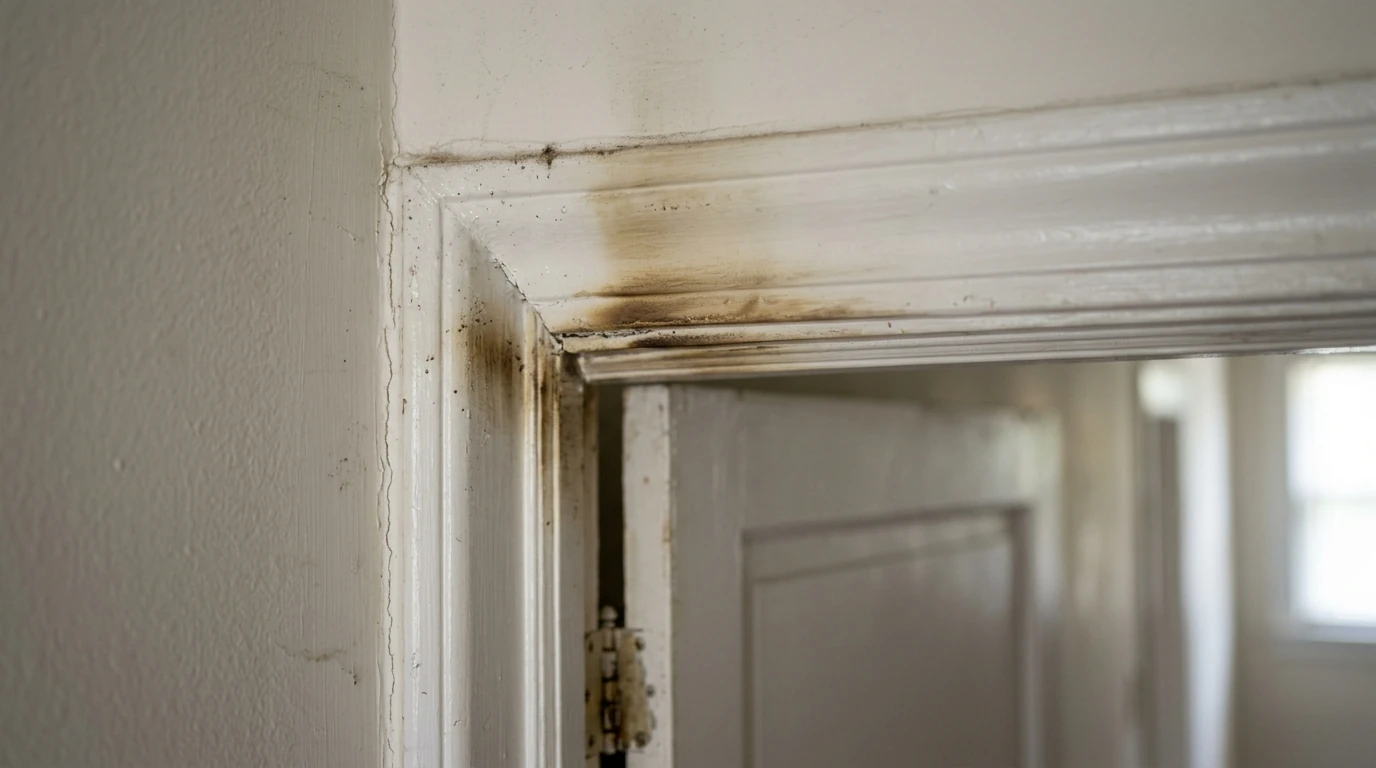
Choosing a fire restoration company
The questions to ask on the first call, the signs of a careful company, and the warning signs to walk away from.
Additional living expenses after a house fire
How loss-of-use coverage pays for a hotel, meals and mileage while the house is restored, and the receipts that get paid.
What renters should do after an apartment fire
Renters insurance, the landlord's role, what NC law says about your lease, and getting your belongings out and cleaned.
Want to know how long yours will take?
Call and we will walk the house and give you a phase-by-phase schedule.
Call (704) 368-1592