After an apartment fire in Charlotte, make sure everyone is safe, get the incident number, tell your landlord or property manager in writing, and call your renters insurer if you have one. Renters insurance usually covers your belongings and extra living costs; the landlord's policy covers the building. Under North Carolina law, a tenant who did not cause the fire may be able to end the lease if the unit is destroyed or very badly damaged, unless the lease says otherwise.
The first day
Follow the fire department's instructions on when, and whether, you can go back in. Ask the officer in charge for the incident number, and photograph anything you can see safely. Then notify your landlord or property manager in writing, even if they were there; an email or text with the date and time is enough to start a record. Our guide on how to get the fire incident report explains the next step.
If you are allowed back in, keep the HVAC and appliances off and do not start cleaning. Smoke residue spreads when it is wiped, and your insurer may want to see the damage before anything is touched.
Who covers what
Apartment fires involve at least two insurance policies, and sometimes three. Knowing which covers what saves weeks of confusion.
- The landlord's policy covers the building: walls, floors, built-in appliances and common areas.
- Your renters policy covers your belongings and, usually, your extra living costs while the unit is unlivable.
- Liability coverage on any of the policies may come into play if someone's negligence caused the fire.
- A neighbor's renters policy may matter if the fire started in their unit.
If you do not have renters insurance
Many renters find out after a fire that they never had a policy, or that it lapsed. The landlord's insurer generally does not pay for tenants' belongings. Some apartment communities offer emergency help, the American Red Cross often provides short-term assistance after home fires, and you can still have belongings cleaned and packed out at your own cost.
If you are paying yourself, be selective. Clothing, bedding, electronics and documents often clean well, while inexpensive furniture may not be worth the cost. A good restoration company will tell you plainly which items are worth cleaning and price the work before it starts.
Need your belongings out and cleaned?
Call any hour. We pack out, inventory and clean tenants' belongings across Charlotte.
(704) 368-1592Your lease after a fire: what North Carolina law says
North Carolina has a specific statute for this. Under G.S. 42-12, if the building you rent is destroyed, or so damaged that it cannot reasonably be made fit except at a cost of more than one year's rent, and the damage did not come from the tenant's negligence, the tenant may surrender the lease by giving the landlord written notice within 10 days of the fire and paying the rent owed up to that date. After that, rent stops.
The statute does not apply if the lease says otherwise, so read your lease's fire or casualty clause first; many leases cover this situation directly, with their own rules on rent and termination. A separate statute, G.S. 42-10, says a tenant is not liable for accidental damage that happens despite reasonable care. If you are unsure how these apply to you, legal aid or a lawyer can advise.
Rent while the unit is being repaired
If the unit is damaged but repairable and you stay on the lease, ask the landlord in writing how rent will be handled while you cannot live there. Many leases and many landlords abate rent for the period the unit is unlivable. Get any agreement in writing.
Your renters policy's loss-of-use coverage usually pays your extra costs, such as a hotel or a higher temporary rent, but not the normal rent you would have paid anyway. Our guide to additional living expense coverage explains how that works.
Getting your belongings out
Ask the property manager when you can enter to retrieve belongings, and whether an escort is required. Photograph each room before you remove anything, and make a list as you pack. Keep smoky items separate from clean ones so the odor does not spread.
For anything more than a few bags, a pack-out by a restoration company keeps the inventory clean: each box is photographed, labeled and logged, cleaned off site by the method that suits it, and stored until you have somewhere to put it.
Smoke in units that did not burn
In apartment buildings, units far from the fire often get smoke through shared walls, attics, corridors and ventilation, and units below get water. If your unit did not burn but smells of smoke or got wet, document it and tell both the property manager and your renters insurer.
Under most renters policies, smoke residue on your belongings is a covered loss even when the fire started elsewhere. Smoke intrusion cleanup handles exactly this situation, unit by unit.
Questions to ask your property manager
Write the answers down, with the date and the name of the person you spoke to.
- When can I safely go back in to get my things?
- Is the unit considered unlivable, and can I have that in writing?
- How will rent be handled while it is repaired?
- Who is doing the cleanup and repairs, and on what schedule?
- Will my security deposit be affected, and how?
- Can I transfer to another unit in the community?
Questions people ask about this
Usually not. The landlord's policy covers the building; your belongings need your own renters policy.
Possibly. Under G.S. 42-12, if the unit is destroyed or very badly damaged and you did not cause it, you may surrender the lease in writing within 10 days, unless the lease says otherwise.
Check your lease and ask the landlord in writing. Many leases abate rent while the unit is unlivable, and NC law allows surrender in serious cases.
Under most renters policies, smoke damage to your belongings is covered even if the fire started elsewhere.
You do, unless another party is found responsible. We price the work first and tell you what is worth cleaning.
Keep reading
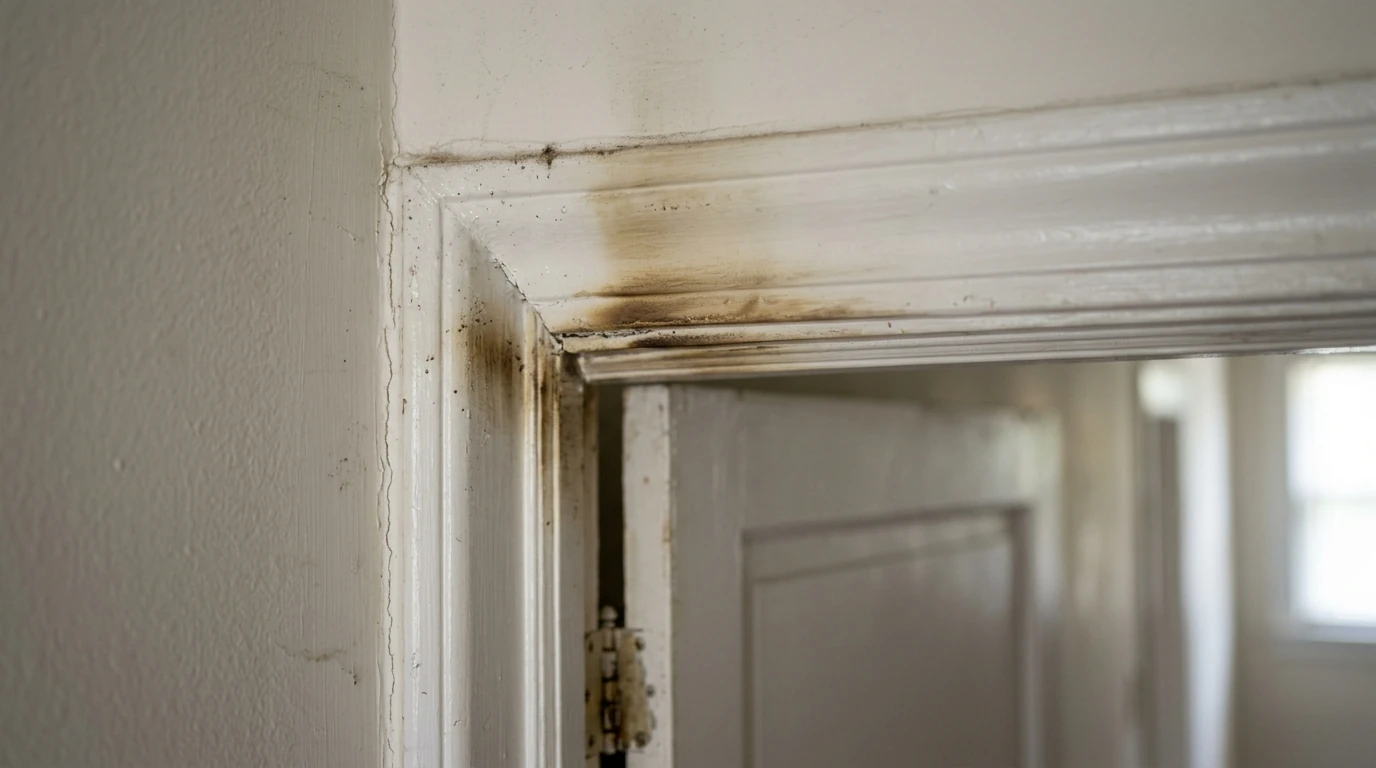
When a neighbor's fire damages your home
Why your own policy usually pays first, how subrogation works, and the smoke and water damage to check for next door.
How to get a fire incident report in Charlotte
What the fire report shows, how to request it from the City of Charlotte or a nearby department, and what to do while you wait.
Selling a house after a fire in North Carolina
Restore first or sell as is, what the NC disclosure form asks about fire, and the records that reassure buyers.
Renting and dealing with a fire?
Call any hour. We work with tenants and property managers across Charlotte.
Call (704) 368-1592