After a small kitchen fire that stayed on the stovetop, many households can stay home once the fire is fully out, the room is ventilated, the range is off and checked, and smoke did not spread through the house. Leave if the fire department says to, if heavy smoke or a burning plastic smell lingers, if the power or gas is off, or if anyone in the house is especially vulnerable to smoke.
First, make sure the fire is really out
A grease fire that seemed smothered can flare again, and heat can travel into the cabinet above the range or the wall behind it. If the fire department came, they check this. If not, look and feel for heat on the cabinets, the wall and the hood, and watch for smoke over the next hour. If in doubt, call 911; firefighters would rather check a wall than fight a second fire.
Kitchen fires are the most common kind households face: North Carolina's Office of State Fire Marshal names unattended cooking as the leading cause of cooking fires.
When staying home is usually fine
Most kitchen flare-ups fall into this group, and the household can stay while the kitchen is cleaned.
- The fire stayed in a pan or on the cooktop
- Smoke was light and cleared quickly with ventilation
- There is no burning plastic or electrical smell
- The range is off, and the power, gas and water in the rest of the house work normally
- Nobody in the house has breathing or heart problems
When to stay somewhere else
Smoke particles are fine enough to reach deep into the lungs, and residue keeps releasing odor and irritants for days. A night or two elsewhere while the air is cleaned is cheap insurance for anyone vulnerable.
- The fire department tells you to leave
- Heavy smoke reached bedrooms or the whole house
- A sharp burning plastic or electrical smell lingers
- The power or gas has been shut off
- Anyone has asthma, COPD or heart disease, or is pregnant, a young child or elderly
- Water from firefighting soaked floors or ceilings
Unsure whether to stay?
Call and describe what happened. We will tell you what to check and what to leave alone.
(704) 368-1592Air quality in the first days
Ventilate with windows open if the weather allows, but keep the HVAC off, because it pulls residue through the ducts into every room; our guide to the HVAC after a fire explains why in detail. Portable HEPA air purifiers help in bedrooms.
Do not mask the smell with candles or sprays, which add their own particles. If the smell is still strong after a day of ventilation, the residue is on surfaces and needs cleaning, not more air. Wiping it with ordinary cleaners usually spreads it.
The range, the hood and the appliances
A range that caught fire should stay off, gas or electric, until someone checks it, because heat can damage wiring, igniters and gas connections. The hood filter and fan hold grease and soot and should be cleaned before the hood runs again. A microwave above the range that smoked or scorched should be unplugged and checked.
If you used an extinguisher, vacuum the powder rather than wiping it; it turns corrosive once damp, as our extinguisher residue page explains.
Pets and smoke
Pets breathe closer to the floor, where heavier particles settle, and birds are especially sensitive to smoke and fumes from overheated cookware coatings. Keep pets out of the kitchen until it is cleaned, give them fresh air, and watch for coughing, heavy breathing or lethargy. If you see any of those, call a vet; smoke inhalation in animals can show up hours later, just as it can in people.
The next morning
A small fire often looks different in daylight. Before deciding the house is fine, walk through with fresh senses.
- Smell each room after the house has been closed overnight
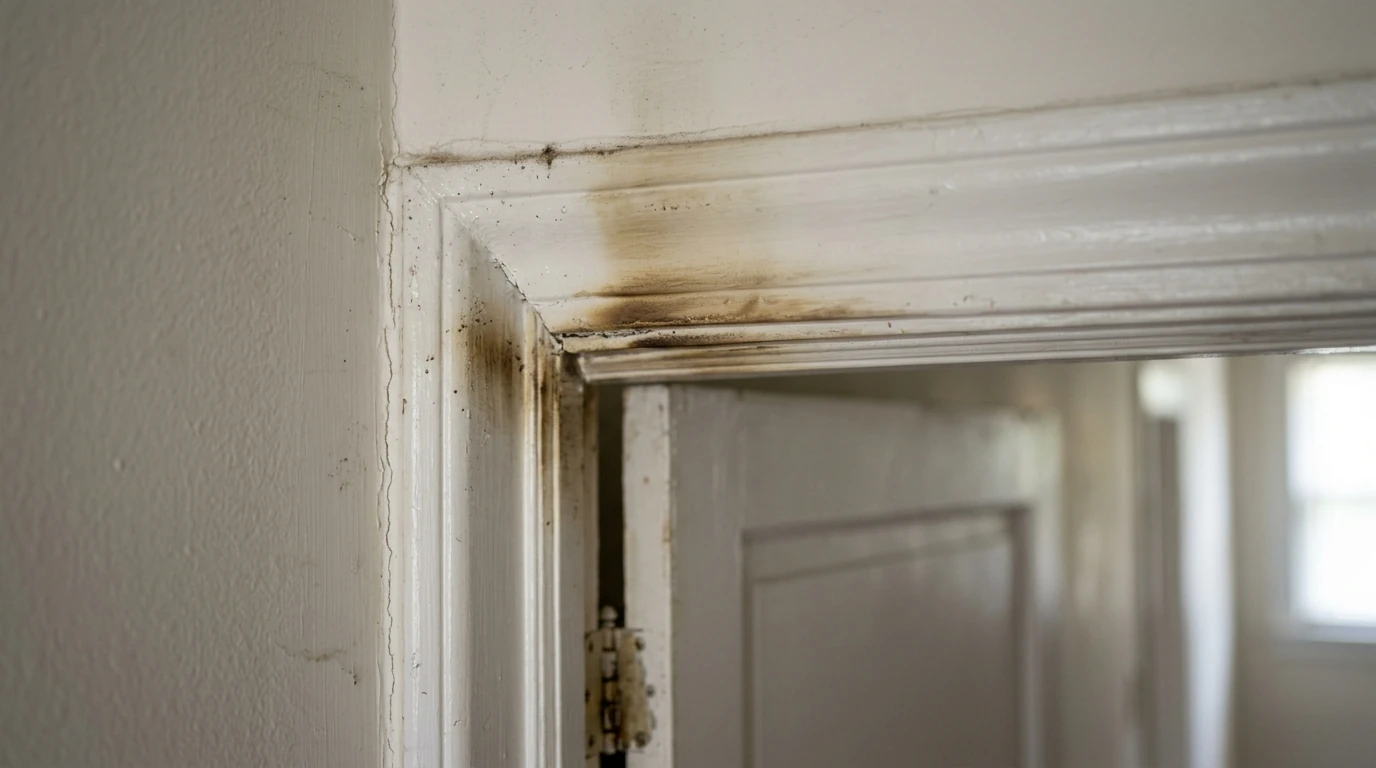
- Look for a yellow film on cabinets, ceilings and the tops of doors
- Check closets near the kitchen, which trap residue
- Look at the filter and return grille if the HVAC ran at any point
- Photograph the kitchen and anything damaged before you clean
When a small fire still needs professional cleanup
Even small kitchen fires leave protein residue, a nearly invisible film that spreads beyond the kitchen and smells sour for months if it is not cleaned properly. If the smell reaches other rooms, if cabinets or ceilings are yellowed, or if the smell returns when the house warms up, the residue needs kitchen fire cleanup rather than more air freshener.
Calling does not commit you to anything. A description of what burned and how far the smell reached is usually enough to tell whether a household can clean up on its own, or whether the residue has spread further than it looks. When in doubt, a residue test settles it in minutes.
Questions people ask about this
Often yes, if the fire was contained, the smoke was light and nobody is vulnerable. Keep bedroom doors closed and the HVAC off.
Without proper cleaning, often weeks or months, because protein residue keeps releasing odor.
Not on a range that caught fire until it has been checked. Use another appliance in the meantime.
No. It spreads residue through the ducts. Open windows and use a portable HEPA purifier instead.
It is worth calling if smoke reached other rooms, anything needs replacing, or you need professional cleaning.
Keep reading
Board-up vs tarping after a fire
Which openings get plywood, which get tarp, and why both usually happen the same night.
Why you should not run the HVAC after a fire
One switch can spread soot to every room in the house. What to do with the system instead.
Wet smoke vs dry smoke residue
Two fires, two completely different cleanups. How we read the residue before a single wall gets touched.
Small fire, lingering smell?
Call and we will check how far the residue went in your Charlotte home.
Call (704) 368-1592