To prevent heating fires in a Charlotte home, keep space heaters at least three feet from anything that can burn and plug them straight into a wall outlet, have the chimney inspected and cleaned every year, service the furnace or heat pump before winter, never heat the house with an oven or run a generator indoors, and test smoke and carbon monoxide alarms. Nearly half of home heating fires happen in December, January and February.
Why heating fires cluster in winter
Heating equipment is one of the leading causes of home fires in the United States. The National Fire Protection Association's 2021 report on home heating fires found that heating equipment caused about one in seven reported home fires and nearly a fifth of home fire deaths, and that nearly half of home heating fires happened in December, January and February.
North Carolina's Office of State Fire Marshal reports the same pattern: nearly half of the state's home heating fires happen in those three months, and failure to clean equipment, especially creosote build-up in chimneys, is the leading cause of confined heating fires. In Charlotte that usually means the first real cold snap, when fireplaces and space heaters come out after months unused.
Space heaters
Space heaters are involved in most heating fire deaths; in the NFPA report, 81% of home heating fire deaths involved stationary or portable space heaters. The rules are simple, and most fatal fires break one of them.
- Keep at least three feet between the heater and anything that can burn: bedding, curtains, furniture, clothing.
- Plug it straight into a wall outlet, never an extension cord or power strip.
- Turn it off when you leave the room or go to sleep.
- Use a heater that shuts off automatically if it tips over.
- Keep it on a hard, level floor, not a rug or a bed.
- Keep children and pets out of the three-foot zone.
Fireplaces, wood stoves and chimneys
Creosote, the tarry residue wood smoke leaves behind, builds up inside chimneys and can ignite in a chimney fire hot enough to crack the flue and reach the framing around it. The Office of State Fire Marshal advises having the chimney inspected and cleaned by a professional every year, before the first fire of the season.
Burn only dry, seasoned wood, use a screen, and never close the damper while embers are still glowing. Put ashes in a metal can with a lid, outside and away from the house, and leave them there for several days; ashes that look cold can stay hot enough to start a fire. If a fireplace has already backed smoke into the room, chimney and fireplace smoke cleanup deals with the oily soot it leaves.
Heating fire or furnace puff-back?
Call any hour. We clean soot from chimney fires and puff-backs across Charlotte.
(704) 368-1592Furnaces, heat pumps and gas appliances
Many Charlotte homes heat with a heat pump, often with electric or gas backup, and many older homes have gas furnaces. Have the system serviced before winter, change filters on schedule, and keep the area around the furnace and water heater clear of storage, paint and cleaning products.
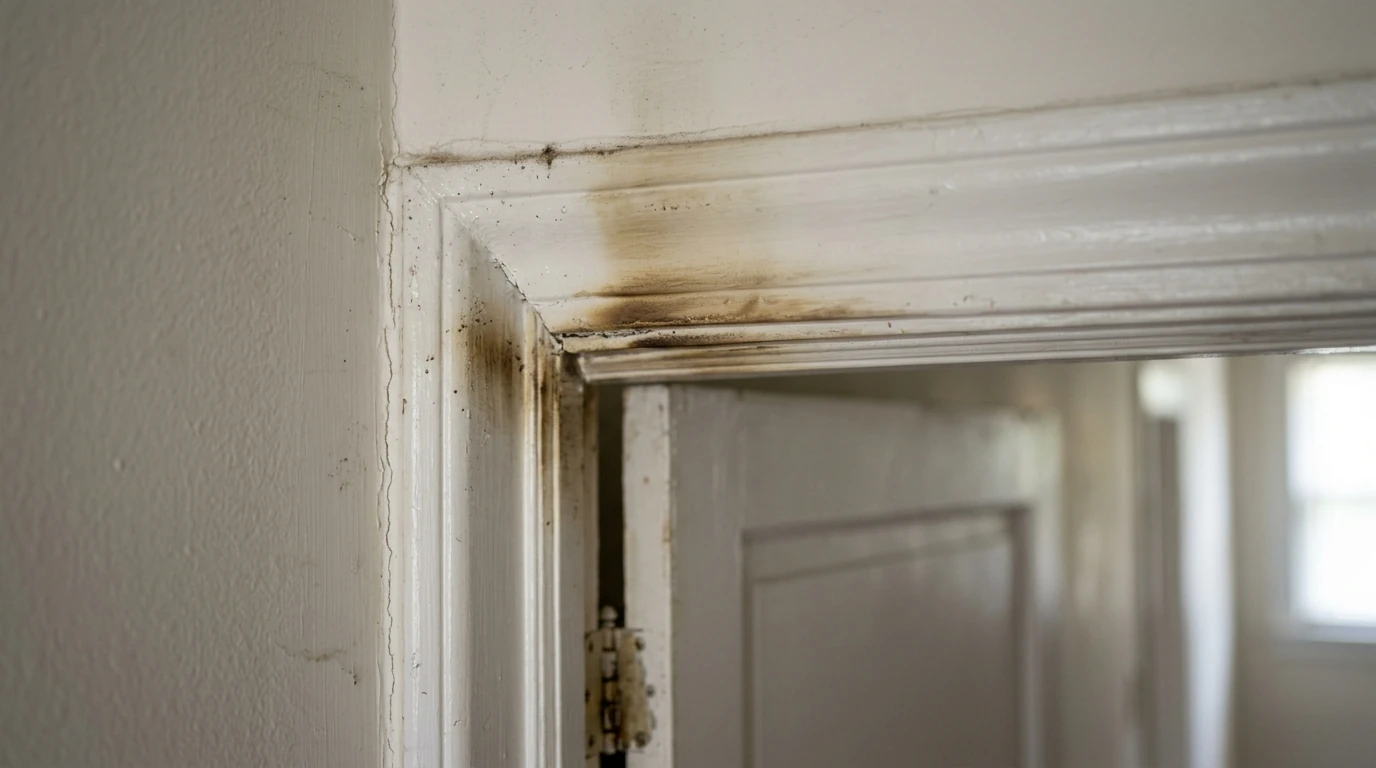
If the heat produces a burning smell beyond the first few minutes of the season, a puff of smoke from the vents, or soot around the registers, turn it off and call for service. A furnace puff-back can spread oily soot through every room on the duct system, and furnace soot cleanup is far easier when the system has not kept running.
Power outages, generators and improvised heat
Winter storms that knock out power bring a second wave of risk. Never heat the house with an oven or stovetop, and never run a generator, grill or camp heater inside the house, the garage or a partly enclosed porch. Generators belong outside, well away from doors, windows and vents, because carbon monoxide can build up quickly and without warning.
Candles are a fire risk during outages; flashlights and battery lanterns are safer. When the power comes back, check that space heaters and other appliances left switched on are not running unattended.
Alarms and a plan
Working smoke alarms on every level and outside sleeping areas, and carbon monoxide alarms near bedrooms if you have any fuel-burning appliance or an attached garage, give your household the minutes it needs. Test them monthly and replace batteries as the manufacturer directs.
Agree on two ways out of every bedroom and a meeting place outside. Keep a fire extinguisher in the kitchen and know how to use it, but get out and call 911 if a fire is spreading.
If a heating fire starts
Get everyone out and call 911 from outside. Do not try to fight a chimney fire, and do not go back in for belongings. Even if a small fire was put out quickly, have the fire department check the chimney or appliance; heat can travel into walls and smolder.
Afterward, keep the HVAC off until the ducts are checked, and do not start wiping residue before it is tested. Chimney fires and furnace puff-backs leave oily soot that smears if it is cleaned the wrong way. Our guides on why not to run the HVAC after a fire and wet versus dry smoke residue explain why.
A quick pre-winter checklist
Fifteen minutes in October saves most of the calls we get in January.
- Chimney inspected and cleaned.
- Furnace or heat pump serviced and the filter changed.
- Space heaters checked for damaged cords and working tip-over switches.
- Smoke and carbon monoxide alarms tested.
- Generator stored with a long outdoor cord and a spot picked outside.
- A metal ash can with a lid ready by the back door.
Questions people ask about this
At least three feet from anything that can burn, including bedding, curtains and clothing.
The NC Office of State Fire Marshal advises a professional inspection and cleaning every year.
No. Plug it straight into a wall outlet; power strips and extension cords can overheat.
No. Generators belong outside, away from doors, windows and vents, because carbon monoxide builds up quickly.
A misfire inside an oil furnace, or less often a gas one, that pushes oily soot through the ducts into the rooms.
Keep reading
House fire in Charlotte: what to do first
The first hour after the fire department leaves: what to touch, what to leave alone, and who to call in what order.
Staying home after a small kitchen fire
What to check first, who should sleep elsewhere, and when a small fire still needs professional cleanup.
Board-up vs tarping after a fire
Which openings get plywood, which get tarp, and why both usually happen the same night.
Smoke or soot from a heating fire?
Call any hour. We answer around the clock all winter.
Call (704) 368-1592