To get a fire incident report in Charlotte, request it from the City of Charlotte as a public record, giving the address, the date and approximate time of the fire, and the incident number if the firefighters left one. Fire department records are public records under North Carolina law, though records of an active criminal investigation can be held back. Outside Charlotte, request the report from the department that responded.
What a fire incident report is
Every time a fire department responds to a call, the officer in charge writes an incident report. It records when the call came in, which units responded, what they found, what they did and, when it can be determined, where the fire started and what caused it. Charlotte Fire Department classifies each call with the national incident type codes fire departments use across the country: a building fire, a cooking fire confined to its container, a chimney or flue fire, and so on.
That classification matters more than people expect. A cooking fire that stayed in the pan and a building fire are coded differently, and the code, the cause and the description of the damage are among the first things an adjuster reads. The report is not the whole claim, but it anchors it: it shows there was a fire, at your address, on that date, and that the fire department responded.
Who will ask for a copy
Your insurer is the obvious one, but several other people may ask for the report in the weeks after a fire, so it is worth getting it once and keeping copies.
- Your homeowners or renters insurer, to open and support the claim.
- Your mortgage lender, which is usually named on the insurance payment.
- Your landlord, if you rent, and the landlord's insurer.
- Your restoration company, to match the scope to what the firefighters found.
- A future buyer, if you sell the house later and need to show what happened and how it was repaired.
How to request it in Charlotte
Fire department records in North Carolina are public records under Chapter 132 of the General Statutes, and in Charlotte public records requests go through the City's citywide records program in the City Clerk's Office. A request for a fire incident record is handled like other city records requests: you ask, the request is routed to the fire department, and the record is released when it is ready.
Before you request it, gather the details that let staff find the right call quickly: the street address, the date and approximate time of the fire, and the incident number if the firefighters gave you a card or a case number. If you are not the owner, say how you are connected to the property, for example as the tenant, a family member or the owner's insurer.
Waiting on the report?
You do not have to. Call and we will secure the house and start the documentation tonight.
(704) 368-1592If the cause is still being investigated
Some fires get a separate investigation, especially when the cause is unclear, when someone was hurt, or when the fire may have been set. North Carolina law treats records of criminal investigations differently from ordinary public records, so investigative records can be held back while a case is open. The basic incident details may still be available, with the investigation findings released later.
If your claim is waiting on the cause, tell your adjuster the investigation is open and ask what the insurer needs in the meantime. Most insurers will work from the incident details, your own photos and the readings from the house, and add the investigation findings when they are released.
Fires outside the City of Charlotte
The City of Charlotte holds reports only for calls its fire department ran. Towns around Charlotte, including Huntersville, Cornelius, Matthews, Mint Hill and Pineville, and the surrounding counties have their own career or volunteer departments, and each keeps its own records. In South Carolina, the department or county that responded holds the report.
If you are not sure who responded, the 911 call went to whichever department covers your address, and the incident number on any card the firefighters left usually shows which agency wrote it. When in doubt, call the non-emergency line for your town and ask which department ran the call.
What to do while you wait
You do not need the report in hand to protect the house or open the claim. Call your insurer the same day, give them the address, the date and the responding department, and tell them the report has been requested. Then document everything yourself: photos and video of every room before anything is moved or cleaned, and a list of what was damaged.
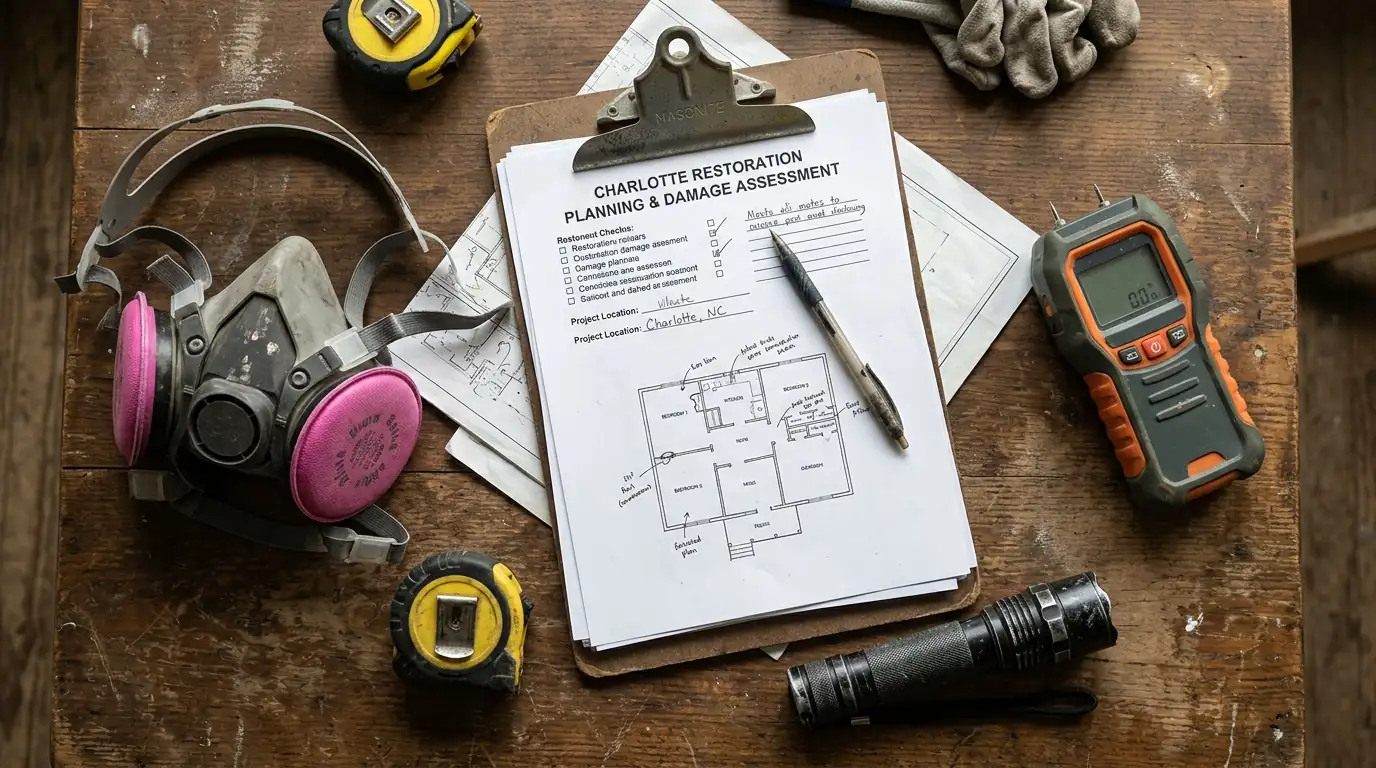
Securing the house, extracting water and keeping the HVAC off should not wait for paperwork. A restoration company's fire damage assessment and documentation, with dated photos, moisture readings and a written scope, sits beside the fire report in the claim file. Our guide to documenting a fire insurance claim in North Carolina covers the rest of that file.
Reading the report
Reports are written quickly and in fire service shorthand. These are the parts worth reading closely before you send the report on.
- Incident type, which tells the adjuster whether it was a contained cooking fire, a chimney fire or a building fire.
- Area of origin and cause, if determined, which matters for coverage and for any claim against someone else.
- Actions taken, such as ventilation, forcible entry and water use, which explain some of the damage.
- Times, showing when the call came in and when the fire was under control.
- Narrative, the officer's short description of what the crews found.
If something in the report is wrong
Reports are written in the hours after a fire, so mistakes happen: a misspelled name, or a description that does not match the rooms affected. If you see an error, contact the department that wrote the report, explain what is wrong and ask how corrections or supplements are handled. Do not alter a copy yourself.
If the cause listed differs from what you believe happened, tell your adjuster and keep your own records, such as photos of the area where the fire started and the appliance involved. Keep any appliance or device that may have started the fire until the insurer says it can go; it may be needed if the insurer pursues the manufacturer.
Questions people ask about this
Generally yes. Fire department records are public records under Chapter 132, though records of an active criminal investigation can be held back.
The address, the date and approximate time of the fire, and the incident number if you have one. Say how you are connected to the property.
No. Call the same day and tell the insurer the report has been requested.
The department that responded, usually the town's own department rather than the City of Charlotte.
Usually the owner or the insurer requests it, but we can tell you which department responded and what details to include.
Keep reading
Selling a house after a fire in North Carolina
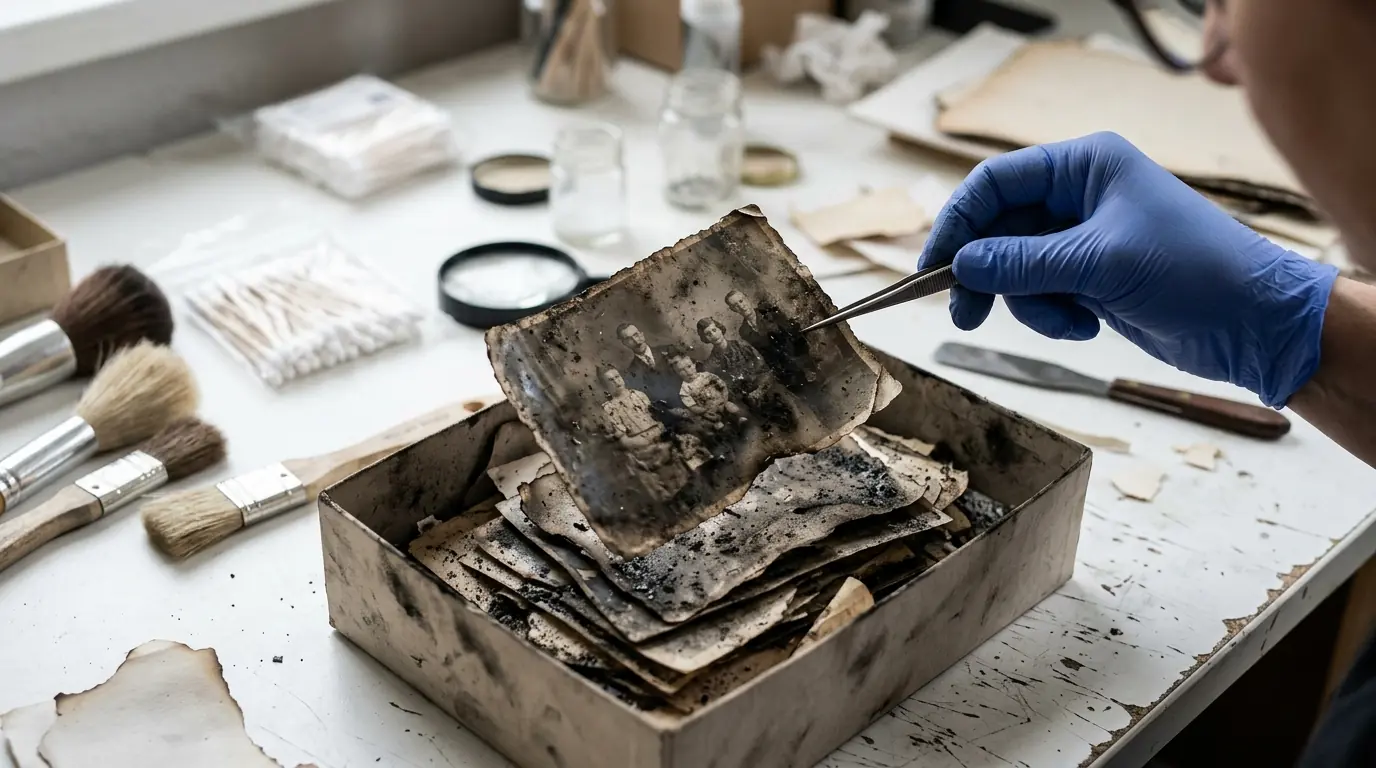
Restore first or sell as is, what the NC disclosure form asks about fire, and the records that reassure buyers.
Winter heating fire safety for Charlotte homes
Space heaters, chimneys, furnaces and generators: how to heat safely through a cold snap and what to do if something catches.
House fire in Charlotte: what to do first
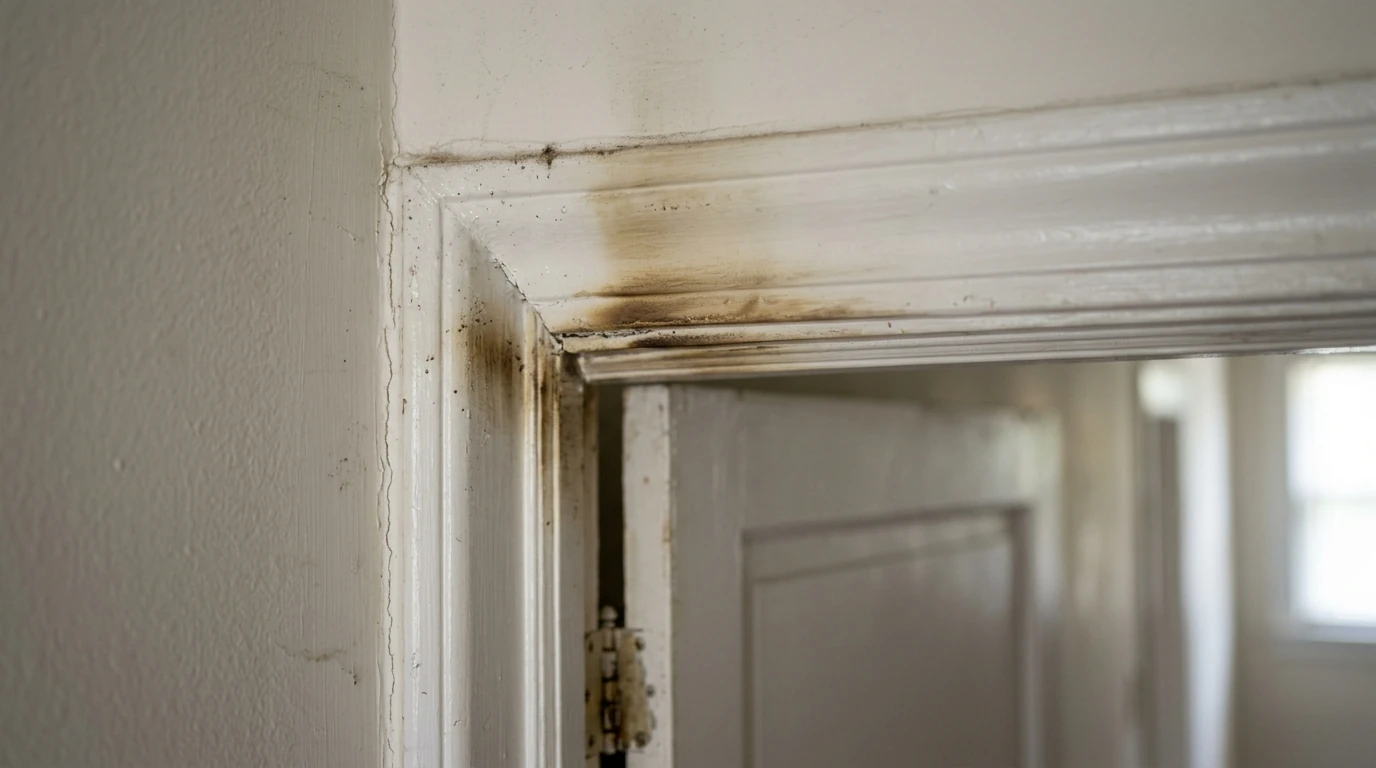
The first hour after the fire department leaves: what to touch, what to leave alone, and who to call in what order.
Need the house secured while the paperwork catches up?
Call any hour. We start with securing and documentation the same night.
Call (704) 368-1592