To sell a fire-damaged house in North Carolina, decide whether to restore it first or sell as is, and disclose the fire either way. The state's residential property disclosure statement asks whether the home has had fire damage or a fire insurance claim, and notes that fire damage remains a material fact even after repair; brokers must also disclose material facts they know about. Restored houses with complete records sell most easily.
Restore first or sell as is
Most owners face one big choice: restore the house and sell it as a normal listing, or sell it as is to a buyer who will do the work. Restoring first usually brings a higher price and a larger pool of buyers, especially buyers using standard mortgages, which generally require a house to be livable. Selling as is is faster and avoids managing a project, but buyers will price in the work, the risk and their own profit.
The insurance claim often decides it. If the claim pays for restoration, finishing the work with the insurer's money and then selling is usually the strongest financial path. Talk to your adjuster and your mortgage lender before you list, because the claim payment, the lender's interest and the sale all have to line up.
What North Carolina's disclosure form asks
Sellers of most residential property in North Carolina must give buyers the Residential Property and Owners' Association Disclosure Statement, a form published by the North Carolina Real Estate Commission under Chapter 47E of the General Statutes. The current form asks directly whether the dwelling has ever experienced fire damage and whether the owner has ever filed a fire damage claim with an insurer.
The form's instructions also note that some issues, including fire damage, remain material facts and must be disclosed even after they are repaired. Answer accurately. A fire that was hidden and discovered later is a far bigger problem for a seller than one that was disclosed and documented.
Your broker has to disclose it too
Even where the form allows an owner to decline to answer certain questions, North Carolina brokers must disclose material facts about the property that they know or reasonably should know, regardless of the owner's answers. A past fire is the kind of fact a broker cannot leave out, so telling your broker everything at the start lets them present it well instead of discovering it late.
If something changes after you give a buyer the statement, such as new damage found during repairs, the form requires you to promptly correct it or provide an updated statement.
Restoring before you sell?
Call. We restore and document the house so your listing has a complete file.
(704) 368-1592Records that reassure buyers
Buyers and their inspectors worry about what they cannot see: smoke inside walls, damaged wiring, odor that comes back. A complete file answers those questions before they are asked, starting with the fire incident report.
- The fire incident report, showing the date, cause and extent.
- The restoration scope, room by room, showing what was cleaned and what was replaced.
- Before, during and after photos.
- Residue test and odor clearance results.
- Building permits and final inspections for any rebuild.
- Electrical inspection results if wiring was affected.
Smoke odor is the deal-breaker
Buyers forgive a past fire far more readily than a present smell. Odor that returns on the first hot day, or when the HVAC runs, will come up at showings and at inspection. Before listing, make sure the smoke odor removal was done at the source: residue removed, ducts cleaned, porous materials replaced where needed, and surfaces sealed only after cleaning, never instead of it.
A clearance check before listing, done in warm weather or with the HVAC running, is an inexpensive way to keep a sale from falling apart at inspection.
Selling as is: what to expect
As-is buyers, including investors, still want to see the house and the damage. Expect offers based on the cost of restoration plus a margin for risk. Even when selling as is, securing the house matters: a boarded, tarped and dried house holds its value far better than one left open to rain, vandals and mold, which is why board-up and roof tarping comes first either way.
You still have to complete the disclosure statement and disclose the fire. As is describes the condition you are selling in; it is not permission to stay silent about it.
Mortgage, insurance and timing
If you have a mortgage, the insurance payment is often made out to you and your lender, and the lender may hold restoration funds and release them as work is completed. Selling before the claim is settled can complicate this, so ask your adjuster and lender how a sale affects the claim before you sign a listing agreement.
Timing affects price too. A restored house listed with full records can sell much like any other house on the street, while one sold in the weeks after the fire usually sells at a discount.
A note on advice
This guide explains how the process usually works in North Carolina; it is not legal or tax advice. For questions about disclosure wording, contract terms, or the tax treatment of an insurance payment and a sale, talk to a real estate attorney, your broker or a tax professional.
Questions people ask about this
Yes. The state disclosure form asks about fire damage and fire claims, and notes that fire damage remains a material fact even after repair.
Yes, but you still have to disclose the fire. Expect offers that reflect the cost and risk of restoration.
A well-restored, documented house often sells close to market. Lingering odor or missing records cost far more than the fire itself.
The incident report, restoration scope, photos, odor clearance results, permits and inspections.
Possibly, but it can complicate the payment. Ask your adjuster and lender before listing.
Keep reading
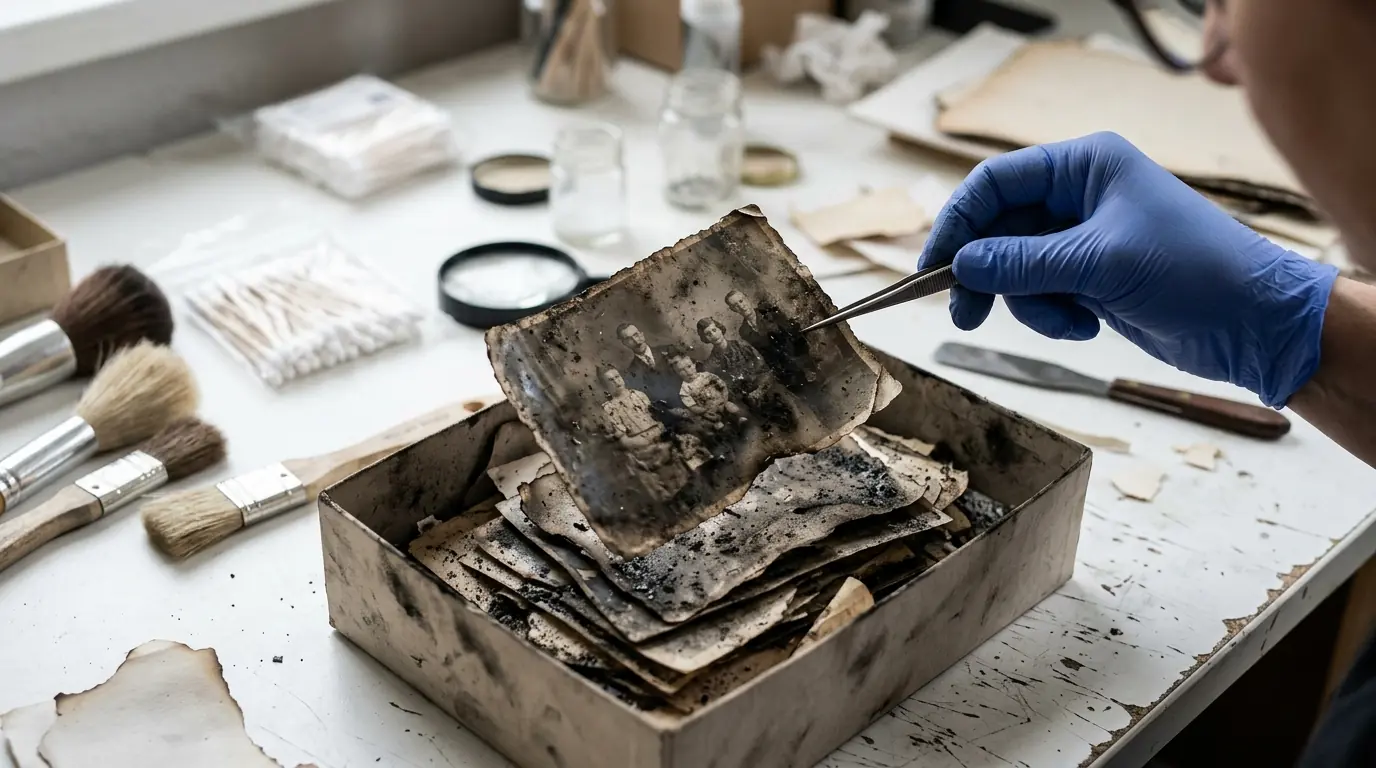
Winter heating fire safety for Charlotte homes
Space heaters, chimneys, furnaces and generators: how to heat safely through a cold snap and what to do if something catches.
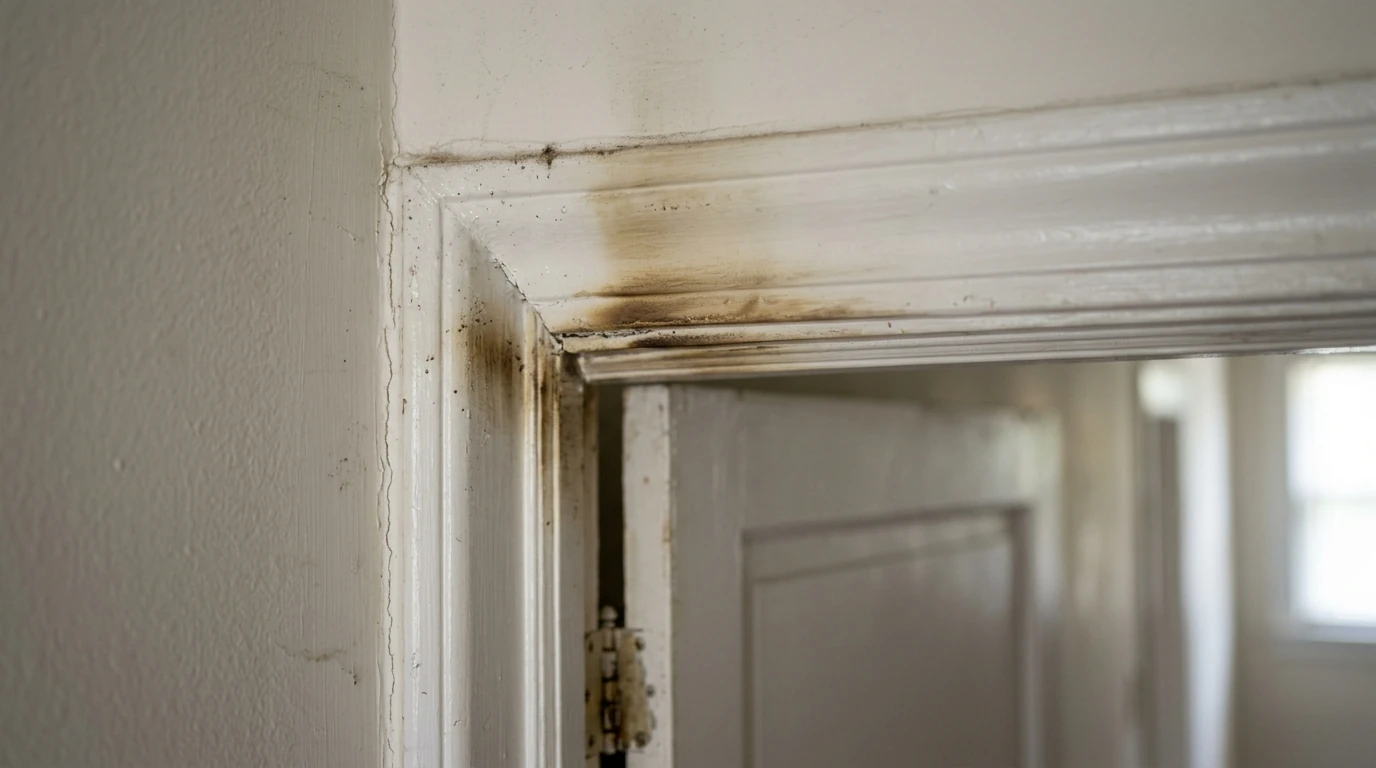
House fire in Charlotte: what to do first
The first hour after the fire department leaves: what to touch, what to leave alone, and who to call in what order.
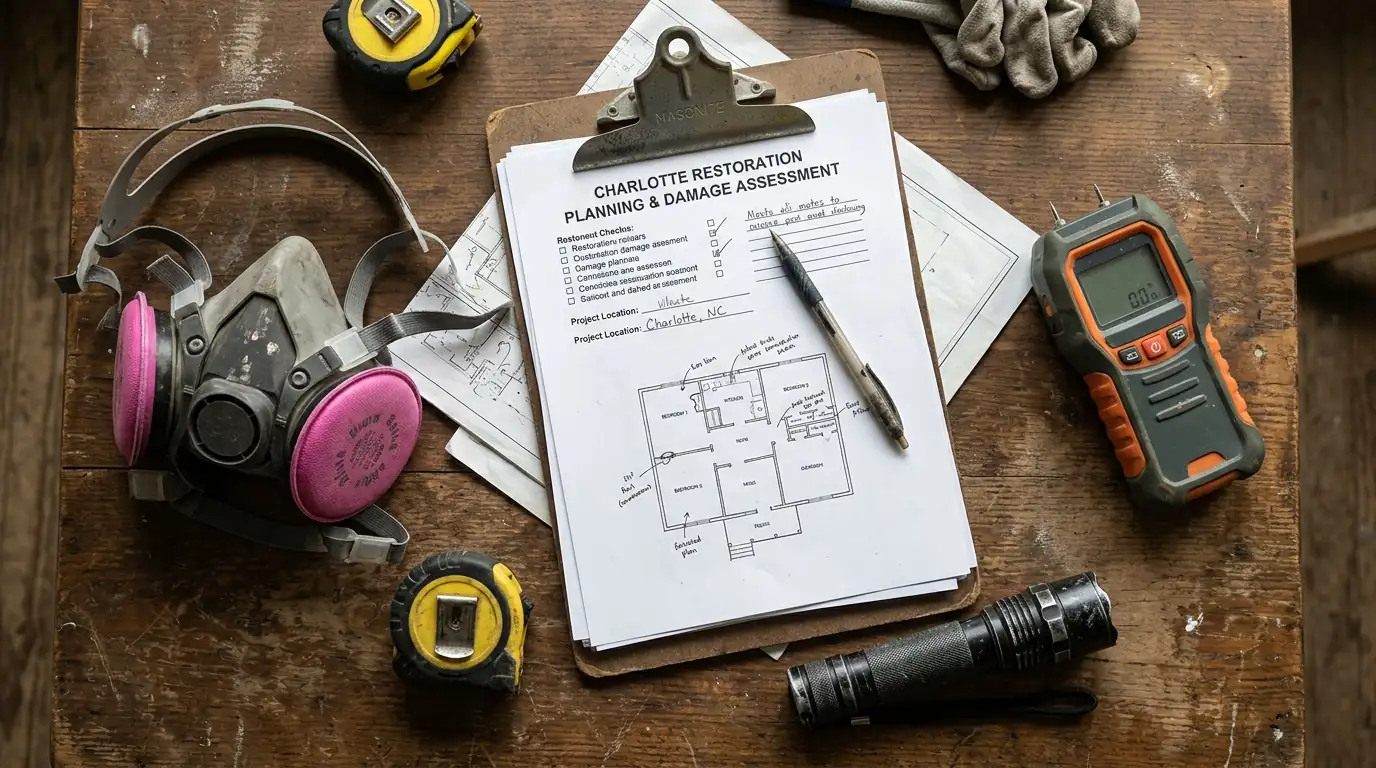
Staying home after a small kitchen fire
What to check first, who should sleep elsewhere, and when a small fire still needs professional cleanup.
Getting a fire-damaged house ready to sell?
Call any hour. We restore it and give you the records buyers ask for.
Call (704) 368-1592